
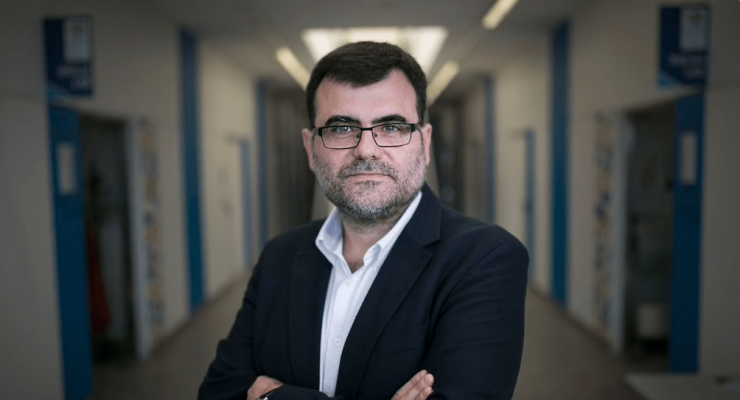
The ICREA researcher at IRB Barcelona obtained €2.5 M to identify residual cells that cause relapse after treatment.
This is the fifth ERC grant awarded to Eduard Batlle, and the 20th at IRB Barcelona.
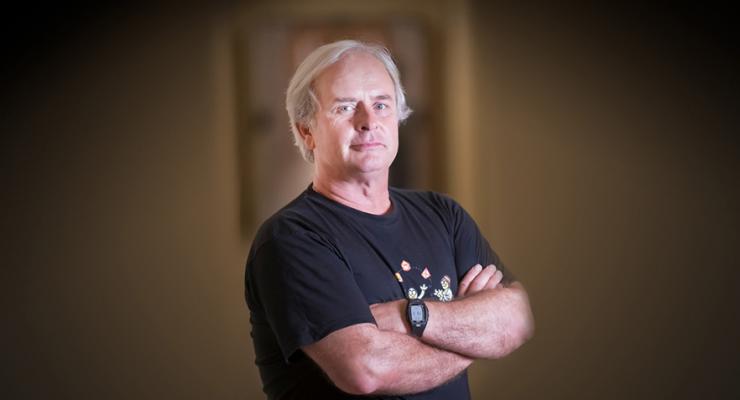
The project led by Manuel Palacín, head of the Amino Acid Transporters and Disease Laboratory, seeks to develop drugs against schizophrenia and stroke.
”la Caixa” Foundation has devoted €18 M to 25 cutting-edge biomedical research projects devoted to diseases with the greatest impact worldwide, such as cardiovascular, neurological, infectious and oncological diseases.
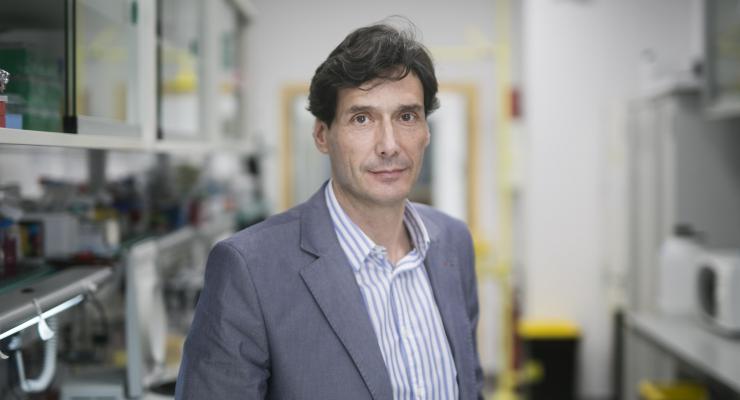
The ERC Proof of Concept grant offers 150,000 euros to fund the development of new drugs against fibrosis within 18 months.
The SENFIB project aims to eliminate senescent cells. These are damaged cells which, if not destroyed by the immune system, can give rise to aging-related diseases such as idiopathic pulmonary fibrosis and chronic kidney disease.
To achieve this aim, the project makes use of senolytics, molecules which lead to the selective death of these cells and have produced positive results in animal models.
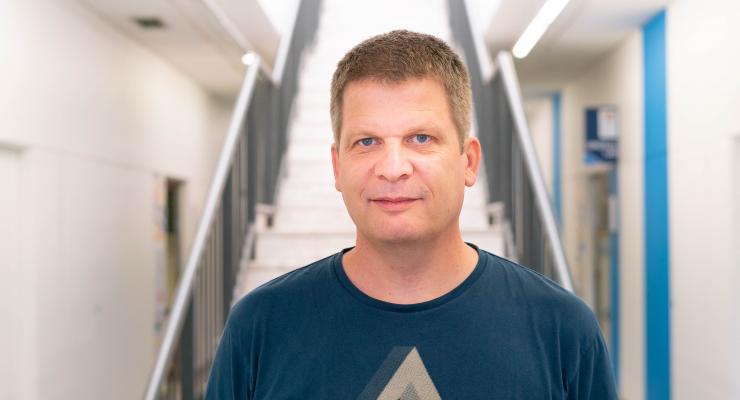
The collaborative project will focus on identifying the cellular defects that lead to Cohen Syndrome.
Awarded €400,000 of funding, the project will last for 3 years.
The Microtubule Organization lab at IRB Barcelona will be leading the project.
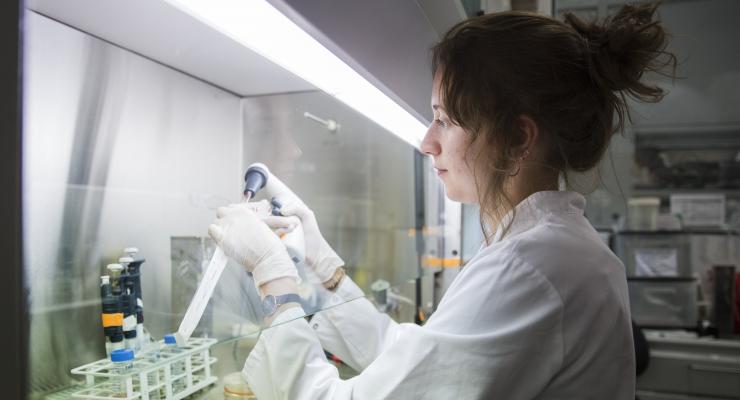
Headed by Dr. Eduard Batlle, the project will allow researchers to study the complexity and heterogeneity of cancer using culturable mini-cancers, also known as organoids, derived from patients.
The international ACCELERATOR call funds projects that allow research results to reach cancer patients faster.
The State Research Agency grants this competitive accreditation to recognise, promote and fund scientific research of excellence in Spanish institutions of great international relevance.
Only two research centres in the field of biomedicine, namely the Spanish National Cancer Research Centre (CNIO) and the Institute for Research in Biomedicine (IRB Barcelona), have achieved three consecutive "Severo Ochoa" Centre of Excellence accreditations since this distinction was launched in 2011.
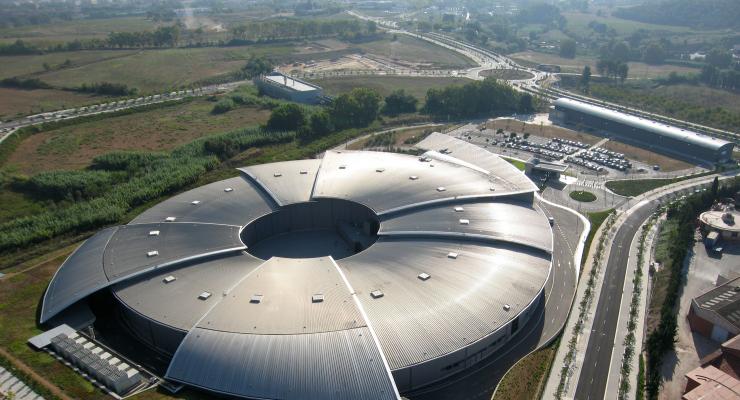
The ALBA Synchrotron will host two new major experimental facilities, one dedicated to materials science, valued at 4.1 million euros and led by the Catalan Institute of Nanoscience and Nanotechnology (ICN2), and another meant for molecular biology, valued at 1.7 million euros and headed by the Institute of Molecular Biology of Barcelona (IBMB-CSIC).
The new platform also counts with the participation of the Barcelona Institute of Science and Technology (BIST), the Spanish Council for Scientific Research (CSIC), the Institute for Biomedical Research (IRB Barcelona), the Autonomous University of Barcelona (UAB), the Institute of Materials Science of Barcelona (ICMAB-CSIC) and the Centre for Genomic Regulation (CRG).
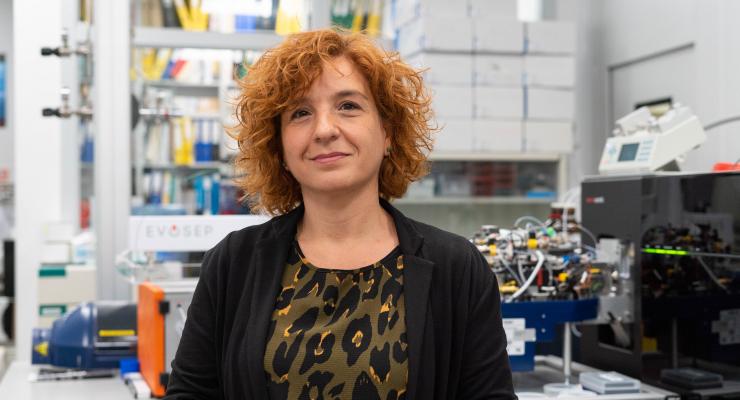
The Institute of Research in Biomedicine, together with the Josep Carreras Leukemia Research Institute, the Sant Joan de Déu Research Institute, Vall d’Hebron Institute of Oncology and the University of Barcelona, received ERDF support to acquire cutting-edge technology in the field of proteomics.