Drug Screening Platform
At the Drug Screening Platform (DSP), we provide expert support for Chemical Biology and Drug Discovery projects. Our platform accepts projects from the entire IRB Barcelona research community, as well as from external projects, both from academia and industry.
Our expert team provides tailored experimental support for a wide range of targets and technologies during the Candidate Discovery phase, from High-Throughput Screening (HTS) to Lead Optimization.

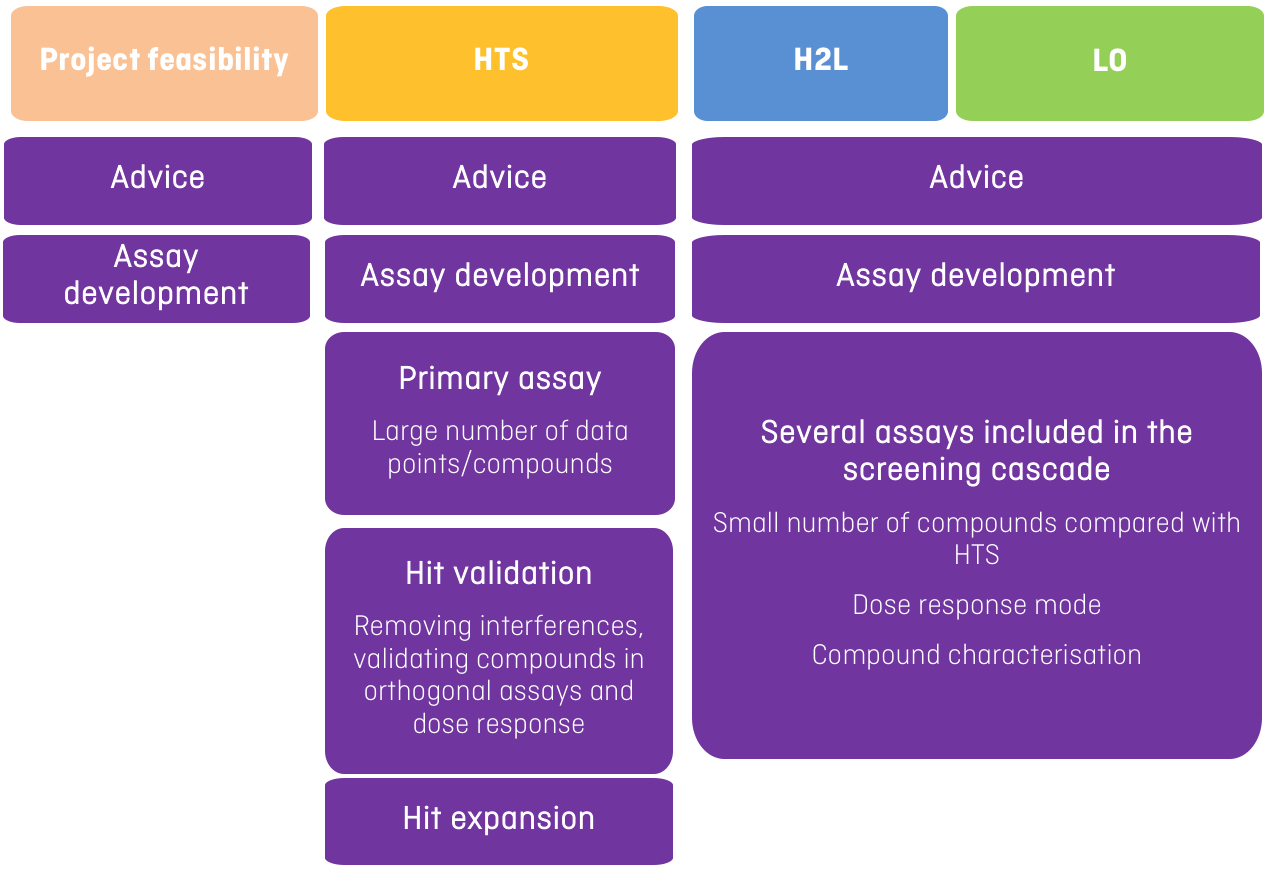
We offer comprehensive drug discovery support tailored to researchers’ needs, from experimental design to wet-lab validation, with the option to develop chemo- and bioinformatics analyses through collaborative projects involving both the DSP and the Structural Bioinformatics and Network Biology research group, using the Chemical Checker technology published in Nature Biotechnology. We assess theoretical feasibility by evaluating the relevance of the assays, throughput levels, and technical viability. This is followed by assay development in line with industrial standards, accompanied by transparent and comprehensive sample processing and quality control reports. The instrumentation available at the DSP is compatible with libraries of small molecules, biological extracts, peptides, antibodies, and other types of molecules.
Our services include:
- Experimental design and feasibility: Project assessment regarding the relevance of biological assays, technologies, cost-effectiveness.
- Assay development: Following industrials standards, we ensure the best conditions for your assays in the presence and absence of standard compounds (kinetics, assay component titrations, assay miniaturisation, compound pre-incubation, etc.) and DMSO effect, reproducibility, signal and reagent stability and Z´ factors, among others.
- HTS: Screening of the set of compounds/extracts (from small to large sets comprising 200,000 compounds or more). The process involves a pilot screen (about 2,000-5,000 compounds), screening of the library (from small sets to more than 200,000 compounds), and confirmation and hit validation using orthogonal and dose-response assays. Moreover, we can perform chemical clustering.
- Synergism: Assessing the effect of interactions between the different components.
- Hit-to-Lead and Lead Optimisation: Testing of several compounds in dose-response mode (more than 64 compounds at 10 doses, in duplicates, per day) and characterization of the mechanism of action (binding mechanism, residence time, etc.), among others.
We can work with biochemical and cellular assays in both 96- and 384-well formats to study a wide range of targets by assessing different biological outcomes:

Projects run at the DSP can use a wide range of readout technologies:
- Absorbance
- Fluorescence
- Fluorescence polarisation
- Luminescence
- FRET
- Alpha technology
- ELISA
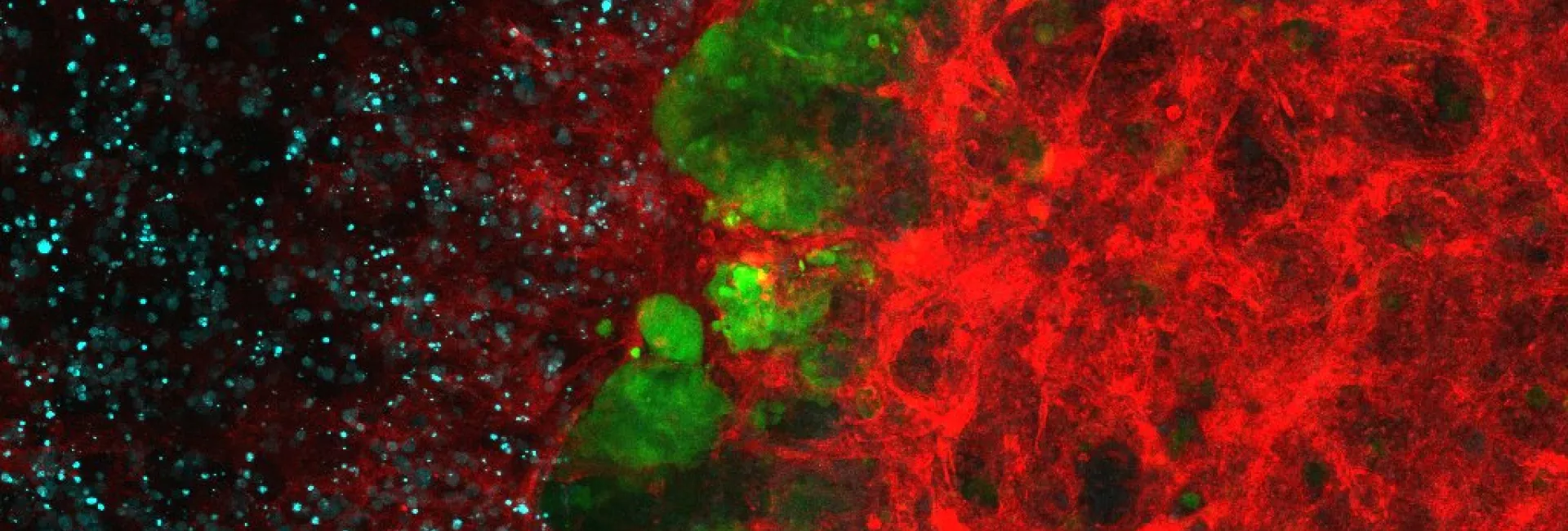
- High Content Imaging Screening: screening platform + collaboration with the Advanced Digital Microscopy Facility.
- Dianthus Pico for TRIC and Spectral Shift assays.
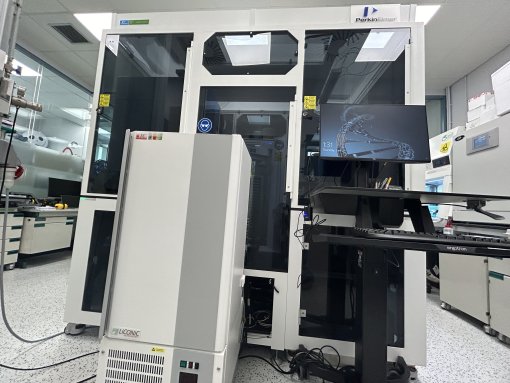
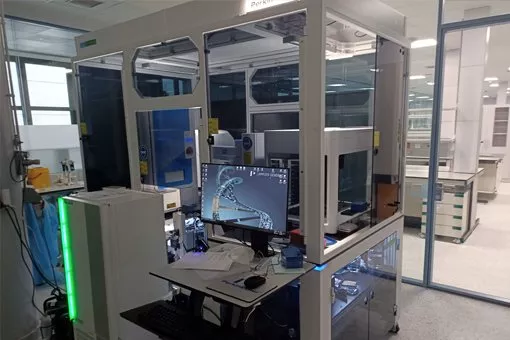
- Envision plate reader from Perkin Elmer: compatible with Fluorescence, Ultraluminescence, Absorbance, HTRF and Alpha
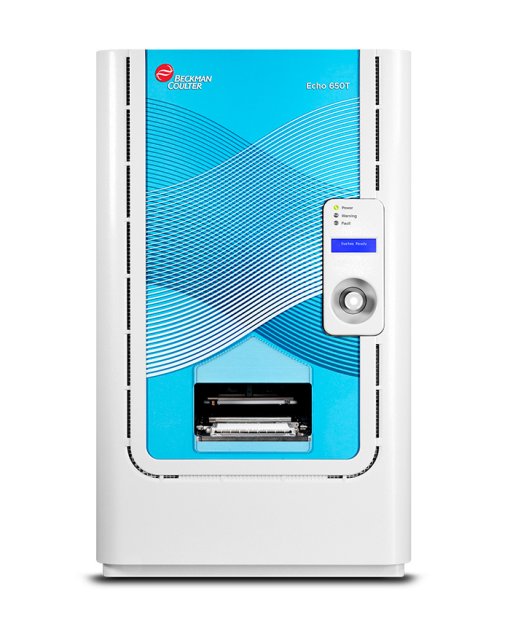
- Echo 650 from Beckman Labcyte: acoustic dispenser from nano-drops of 2.5 nl
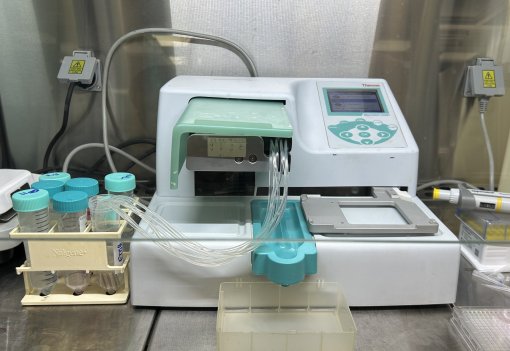
- 2 Multidrop dispensers from Thermo
- Automated plate incubator (44 plates) temperature, CO2 and humidity control
- Plate hotel (63 plates); Sealer and peeler
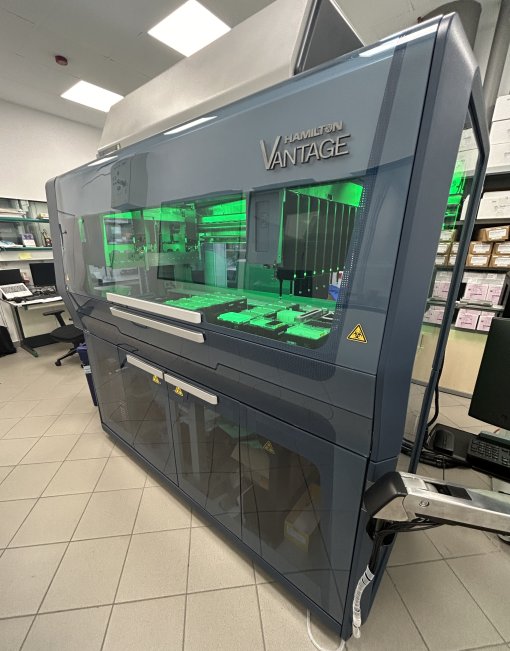
- Liquid handling system with 384 and 8 pipetting heads MagTip: works as a bulk dispenser from 200 nl to 10 ul and for cherry pickings
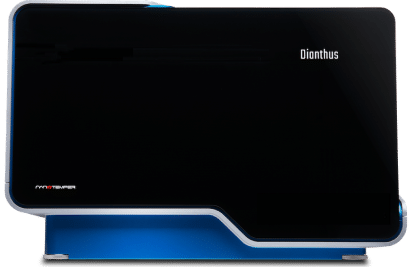
- Dianthus pico NANOTEMPER: 384 plate reader for drug-target interaction (TRIC and Spectral Shift)
- Q50: Automatic freezer under inert atmosphere (735 plates)
- Plate hotel (180 plates); Sealer and peeler
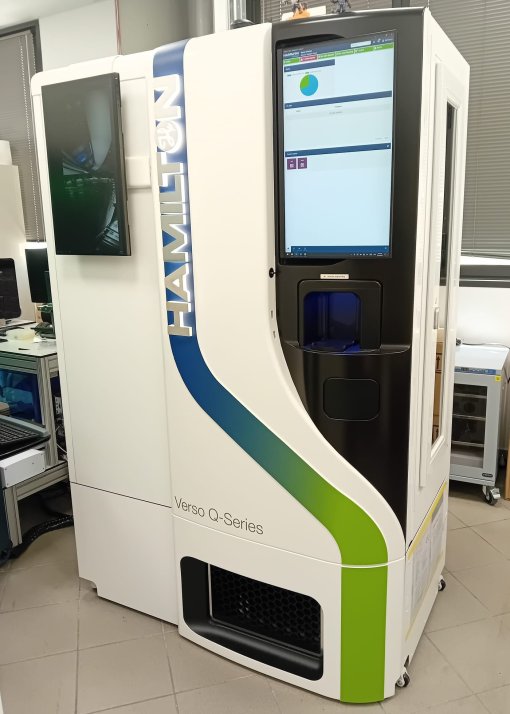
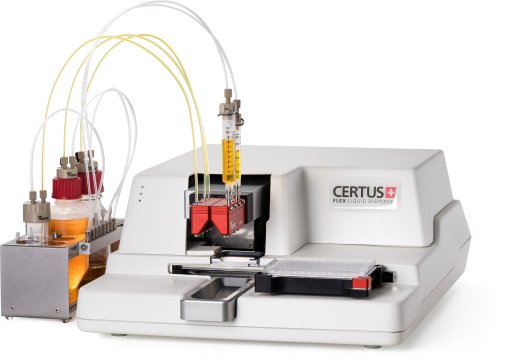
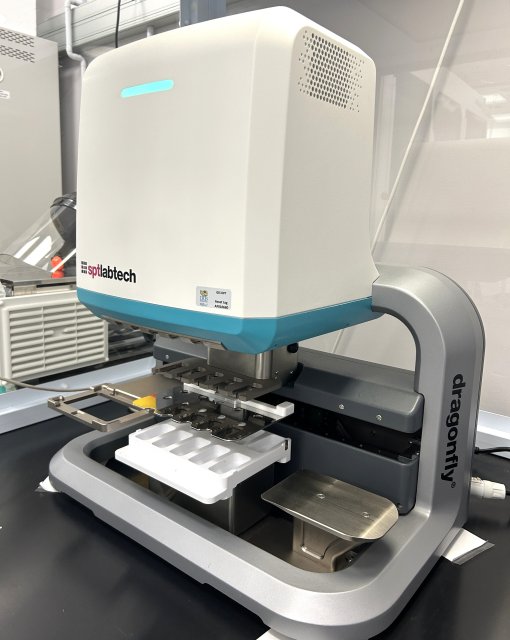
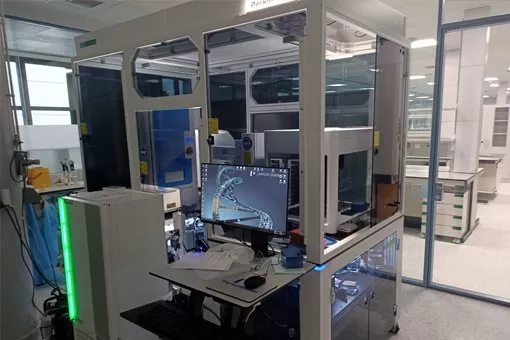
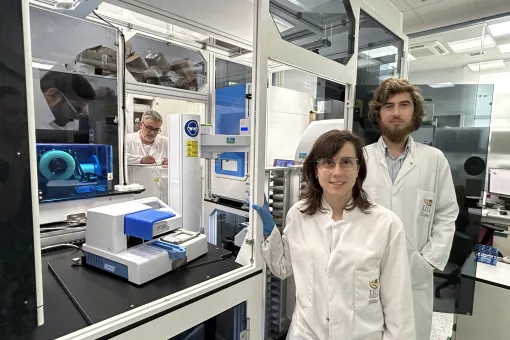
At IRB Barcelona, we have set up a screening platform with state-of-the-art technology, which allows HTS and provides support for Hit to Lead and Lead Optimization projects in an efficient and automated way. Different assays/processes can be run in parallel in an integrated or stand-alone manner.
Other instruments: BIOTEK washer (96 and 384 plate washer), Xcelligence (Agilent)
Compound Library
- About 146,506 cherry-picked compounds from the 1.5M ChemDiv library representing a diverse chemical space
- Focus libraries from MedChem (2,400 FDA-approved; 1,822 Clinical compounds; 2,349 Kinase Inhibitors; 3,716 Natural products; 3,676 Immunology/Inflammation; 969 Human Endogenous Metabolites; 449 Protein-protein Interaction Inhibitors; 1,000 fragments, 4,000 RNAs; 4,000 covalent binders)
- Consultation: to receive advice, discuss your project or request a quote, please contact drugsp@irbbarcelona.org to arrange an appointment.
- 1st meeting: to discuss the project feasibility.
- Assay development and optimization: primary and secondary assay development.
- Assay robustness and quality testing
- 2nd meeting: to determine goals, make a preliminary timeline, and order necessary consumables.
- Pilot phase: 384 or 1536-well format. Screens with smaller sets of compounds (5k/10K cmpds).
- Screening: primary screen with library compounds.
- Data Analysis: hits identification.
- Validation using orthogonal assays.
EU-OPENSCREEN integrates high-capacity screening platforms throughout Europe, which jointly use a rationally selected compound collection, comprising up to 140,000 commercial and proprietary compounds collected from European chemists. EU-OPENSCREEN offers to researchers from academic institutions, SMEs and industrial organizations open access to its shared resources.