

Presentation
Organizer: IRB BioMed Seminars
Date / Time: Friday, May 29th at 12:00
Place: Auditorium Room
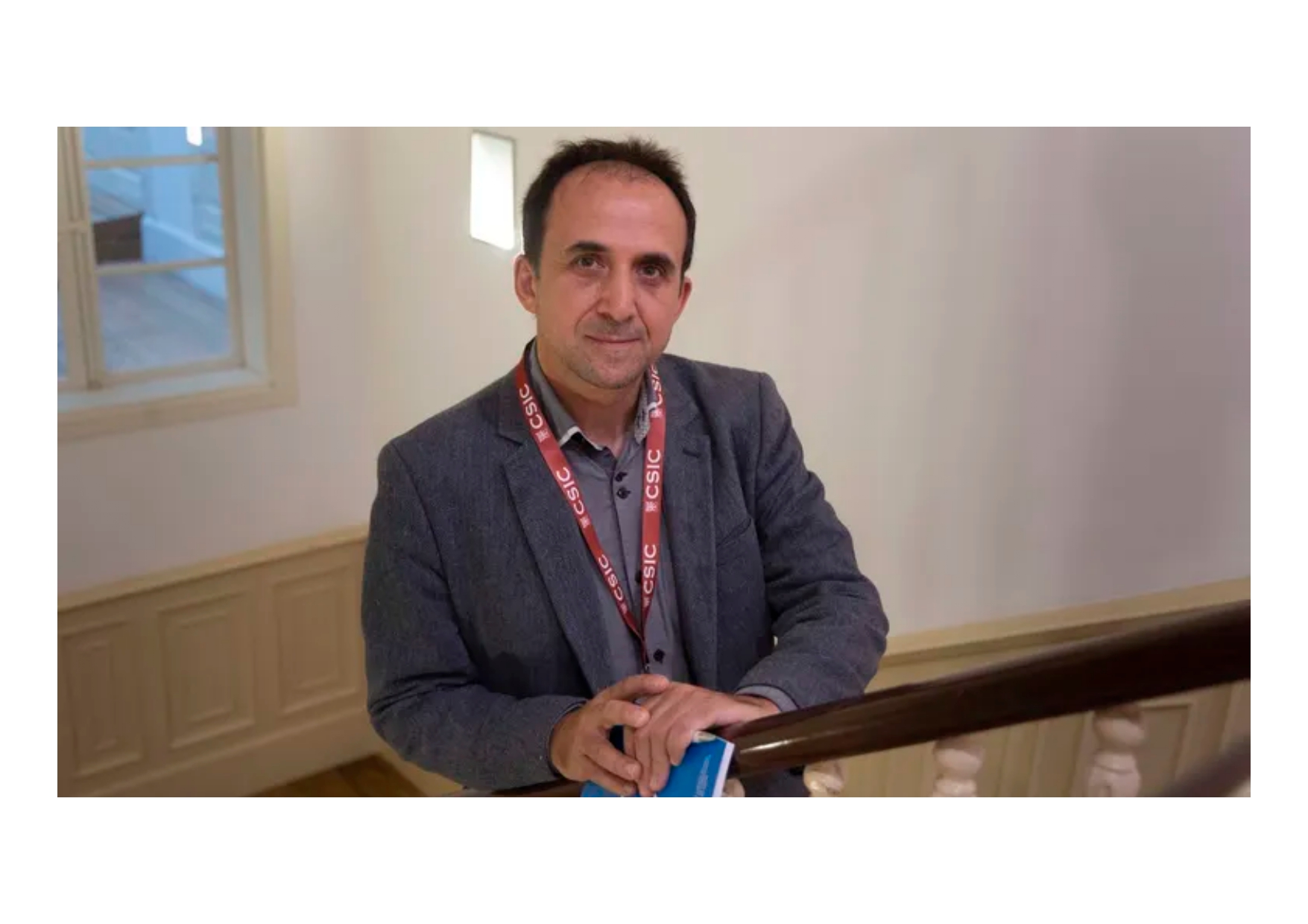
Speaker: Daniel Muñoz-Espin, PhD - Group Leader ECI - Co-lead of Thoracic Cancer Programme - CRUK Cambridge Centre - Early Cancer Institute (ECI)- Department of Oncology, University of Cambridge.
Hosts: Marco Milán, Ph.D. - Programme Chair - Group Leader, IRB Barcelona - Mechanisms of Disease Programme
and, Direna Alonso-Curbelo, Ph.D. - Group Leader, IRB Barcelona - Cancer Science Programme.
Aging triggers a pro-tumorigenic senescent lung microenvironment
Diana Campos-Iglesias1,2,#, Joaquín Araos Henríquez1,2,#, Jianfeng Ge1,2, Robert Rintoul2, Scott Haston3, Juan Pedro Martinez-Barbera3, Daniel Muñoz-Espín1,2,*
1Early Cancer Institute, Department of Oncology, University of Cambridge, UK
2CRUK Cambridge Centre Thoracic Cancer Programme, Cambridge, UK
3UCL Great Ormond Street Institute of Child Health, London, UK
* Leading author
# These authors contributed equally
Abstract
Lung adenocarcinoma (LUAD) is a disease of unmet need due to its high lethality and limited therapeutic options. In a previous study, we found a population of senescence macrophages playing a fundamental role in lung carcinogenesis and, notably, accumulating in naturally aged lungs in the absence of oncogenic stress. While the incidence of LUAD increases with age, the composition of an aged microenvironment and how it relates to lung cancer initiation and progression remains poorly understood.
Here, we investigated how ageing modulates the landscape of senescent cells (SnCs) in normal lungs prior tumour initiation and during early stages of carcinogenesis. To address this, we employed young (~3-months-old) and aged (~18-months-old) p16-FDR mice. In this model, mCherry and the diphtheria toxin receptor (DTR) are expressed under the control of the Cdkn2a promoter (encoding for p16INK4A) to selectively trace and eliminate SnCs in vivo. By leveraging three mouse models of LUAD based on the p16-FDR allele, including genetically-engineered mice (KrasG12D), orthotopic transplantation of KP cells (KrasG12D;Trp53fl/fl) and carcinogen-induced LUAD using N-methyl-N-nitrosourea, we show that the selective ablation of SnCs in aged lungs ameliorates tumorigenesis. Our results highlight the role of ageing on shaping a microenvironment featured by immune senescent cells, including specific populations of macrophages and dendritic cells.
This study has important implications for the identification of early carcinogenesis biomarkers and novel strategies for lung cancer prevention and interception in high-risk individuals.

IMPORTANT: For attendees outside the PCB community you must register at least 24h before the seminar
The weekly seminars at IRB Barcelona are scientific events primarily addressed to the Institute’s research community and professionals in the biomedical field. Attendance is intended exclusively for individuals with a genuine and justified scientific interest in the seminar content. Registration should not be used to request supporting documents for visa or immigration purposes. For participants residing outside Spain, in-person attendance requires a formal invitation issued by an IRB Barcelona research group or department. Without such an invitation, access to the institute cannot be guaranteed. IRB Barcelona reserves the right to review and verify all seminar registrations.