

Presentation
Organizer: IRB BioMed Seminars
Date / Time: Friday, September 19 at 12:00
Place: Fèlix Serratosa
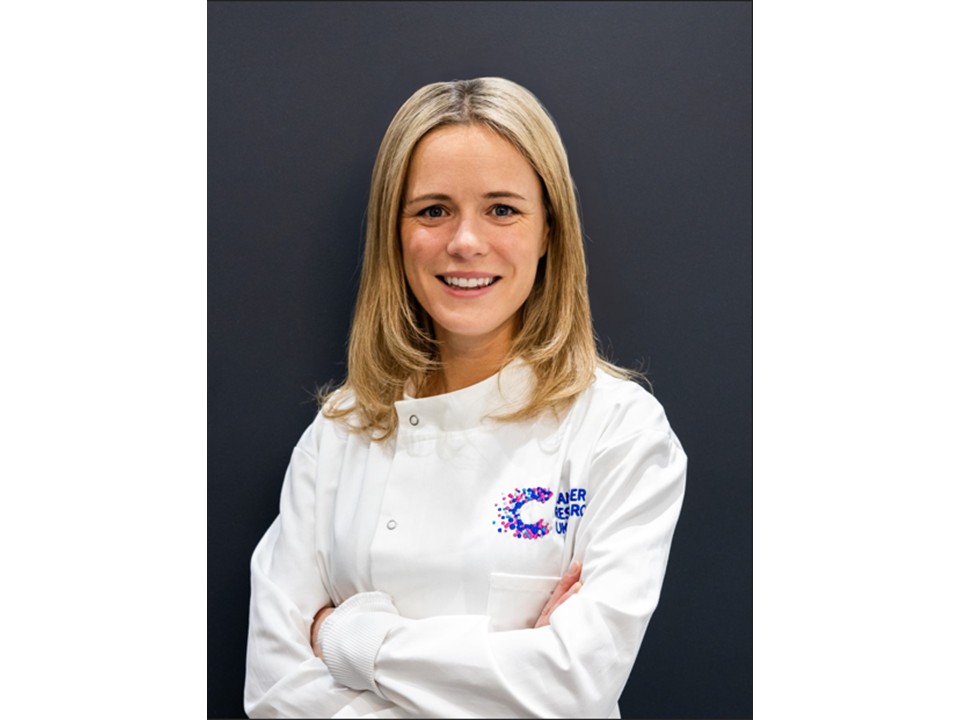
Speaker: Professor Laura Greaves, Professor of Molecular Pathology, Biosciences Institute, Mitochondrial Research Group, Newcastle University Centre for Cancer
Host: Dr. Ana Victoria Lechuga Vieco, Junior Group Leader. IRB Barcelona - Mitochondrial Biology and Tissue Regeneration Lab - Aging and Metabolism Programme.
Alterations in mitochondrial metabolism are major hallmarks of both ageing cells and cancer. Age is thebiggest risk factor for the development of a significant number of cancer types and this therefore raisesthe question of whether there is a link between age-related mitochondrial dysfunction and theadvantageous changes in mitochondrial metabolism prevalent in cancer cells.
A common underlyingfeature of both ageing and cancer cells is the presence of somatic mutations of the mitochondrialgenome (mtDNA). MtDNA mutations are particularly enriched in colorectal cancers (Gorelick et al.(2021) Nat Metab 3: 558-570), and we have previously shown that individual normal human colonic cryptstem cells also accumulate somatic mtDNA point mutations with age (Greaves et al. (2010) ExpGerontol 45: 573-579). This shows that somatic mtDNA mutations and altered metabolic pathways arepresent in colonic crypts prior to malignant transformation, suggesting that mtDNA mutations may eitherincrease the risk of malignant transformation, promote tumour progression, or are selectively propagatedduring tumour development.
To investigate this we generated a mouse model in which we inducedtumours specifically in intestinal stem cells with and without mtDNA mutation-induced mitochondrialdysfunction. We found that the mice with mitochondrial dysfunction had similar numbers of tumours tocontrols but they were growing significantly faster resulting in a shortened lifespan (Smith et al. (2020)Nature Cancer 1: 976-989). Multi-omics analysis revealed the underlying mechanism to be anupregulation of the de novo serine synthesis pathway and mitochondrial one-carbon metabolism inresponse to mitochondrial dysfunction.
These anabolic pathways are important regulators of cellularbiomass production and, excitingly, may represent metabolic vulnerabilities for therapeutic exploitation inhuman colorectal cancer. In this presentation I will discuss some of the new technological approacheswe are taking to investigate this further and present new preliminary data.

IMPORTANT: For attendees outside the PCB community you must register at least 24h before the seminar
The weekly seminars at IRB Barcelona are scientific events primarily addressed to the Institute’s research community and professionals in the biomedical field. Attendance is intended exclusively for individuals with a genuine and justified scientific interest in the seminar content. Registration should not be used to request supporting documents for visa or immigration purposes. For participants residing outside Spain, in-person attendance requires a formal invitation issued by an IRB Barcelona research group or department. Without such an invitation, access to the institute cannot be guaranteed. IRB Barcelona reserves the right to review and verify all seminar registrations.