Images
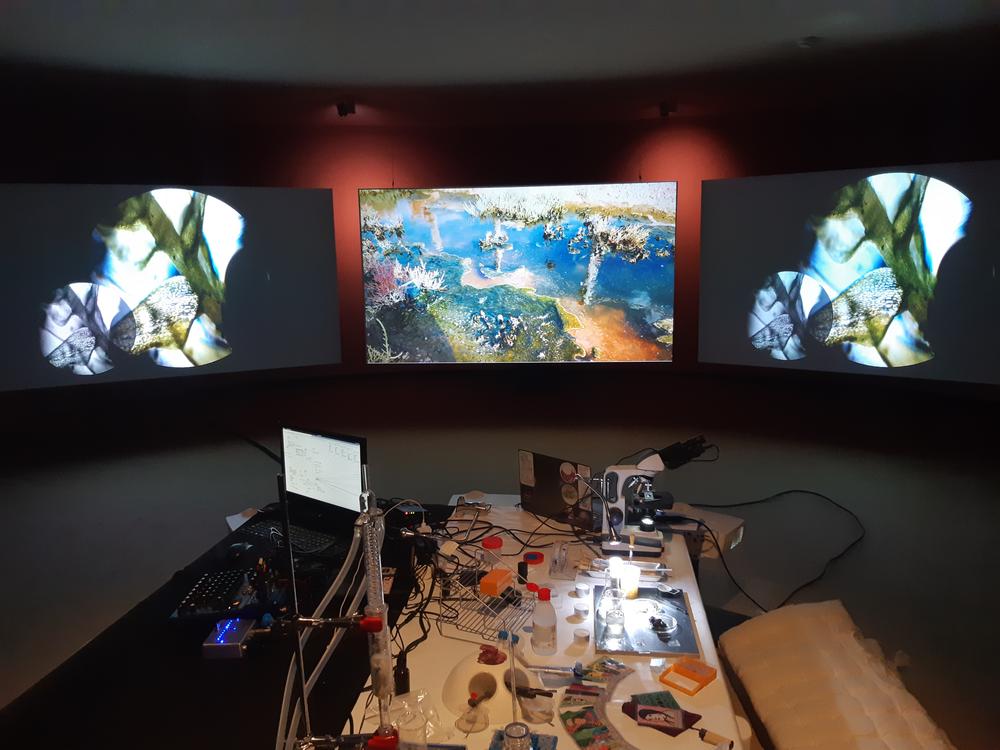
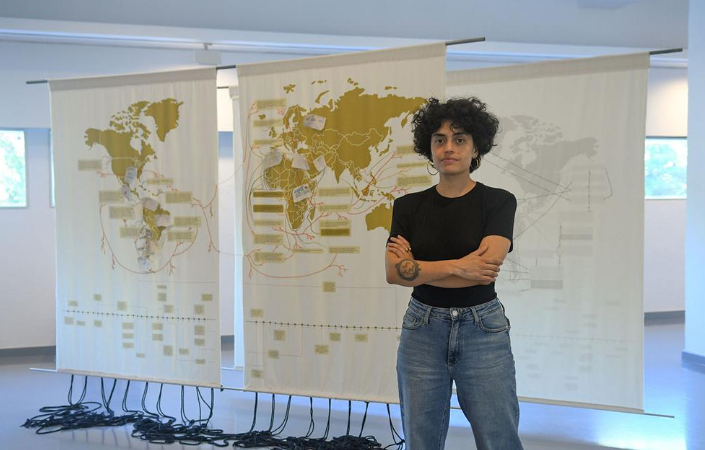
- Tau Luna and Ce Quimera join IRB Barcelona to collaborate directly with research teams, explore the institute, and engage with lab infrastructure.
- Their collaboration merges interactive installations, bio-hacking, and electronic technologies to examine multi-species relations and human identity.
Art and science share common ground: both investigate our presence in the world, push boundaries in knowledge and technology, and venture into the unexplored. To foster this cross-disciplinary exchange, IRB Barcelona’s Artist in Residency Programme provides time and space for artists to immerse themselves in the Institute’s community, share ideas, and engage with our scientists, data, and infrastructure.
"Science is creative by definition, and when brought together with art, extraordinary things can happen. I am really looking forward to seeing what emerges from the interaction between our scientists and the artists," says Mariona Esquerda, IRB Barcelona’s Science Education and Outreach Officer.
With this spirit in mind, IRB Barcelona is pleased to host the collaborative duo Tau Luna and Ce Quimera for this year's residency.
Transdisciplinary art meets science
These two artists develop transdisciplinary practices bringing together art, research, science, technology, and collective action across Europe and Latin America. Their work spans bio-hacking experiments, electronic devices that engage with body practices, interactive installations, and performances.
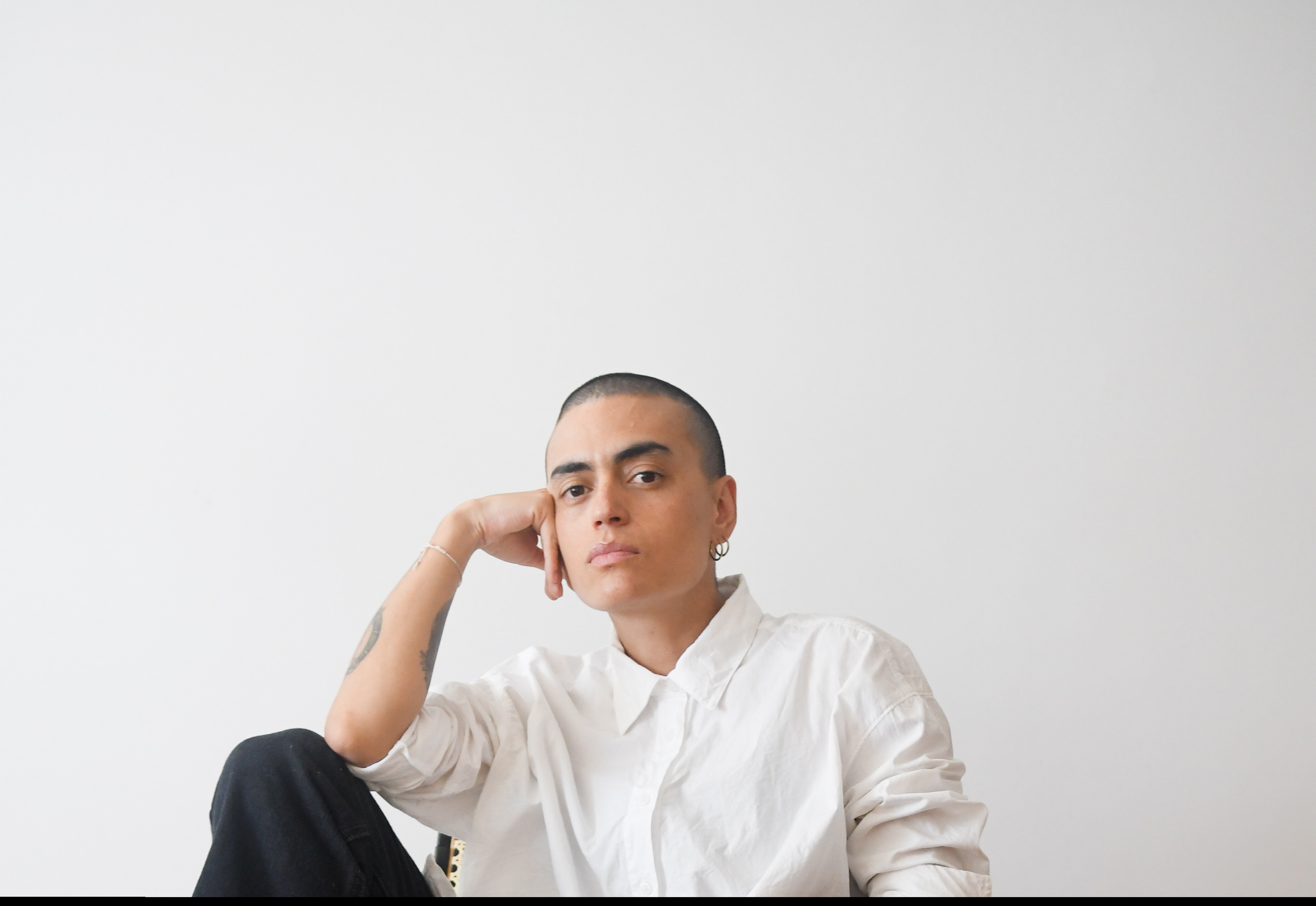
Tau Luna (Medellín, 1989) is a visual artist, researcher, curator, manager, and teacher. Their work explores human migration—linked to colonial violence—alongside memory, soil, listening, and shared connections with non-human beings by combining ancestral, scientific, and intuitive technologies. They have extensive experience in co-founding educational initiatives, designing mediation processes, and co-curating exhibitions for institutions like MACBA and CCCB.
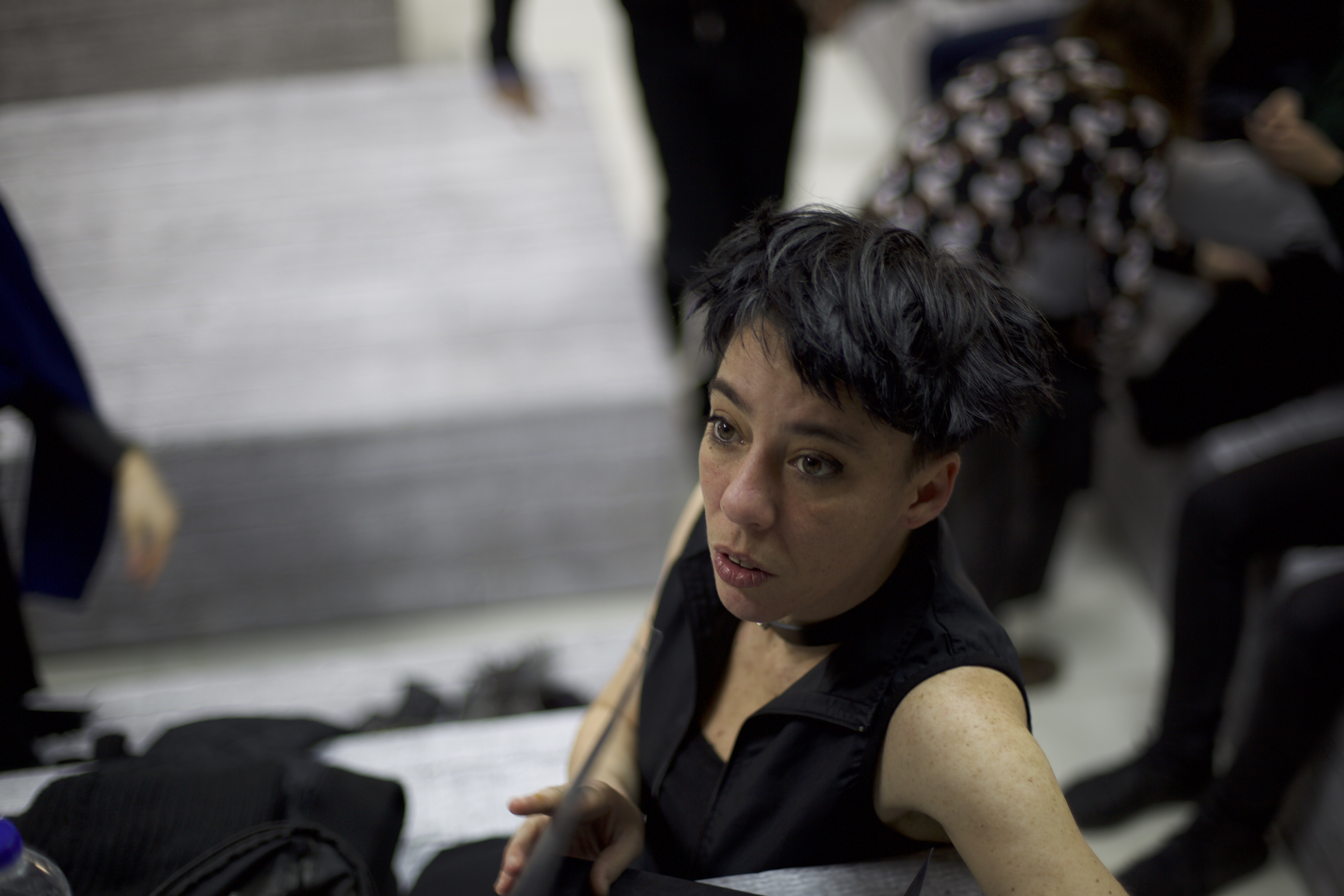 Ce Quimera (La Matanza, Argentina) is an artist whose work addresses questions about bodies, identities, and technosciences. Taking an undisciplined approach to biology, ecology, and anthropology through a transfeminist and anticolonial lens, their work explores multi-species genealogies, cyborg identities, and speculative narratives. They have co-founded lab initiatives like Quimera Rosa and Pluriversidad Nómada and currently serve as a resident artist at Hangar’s Wetlab.
Visits and research group collaborations
During their residency at IRB Barcelona, Tau and Ce will engage directly with our scientific teams to explore shared questions and methodologies. In this regard, they are starting to meet up with team members of the Gabaldón, Posas, Lechuga-Vieco, and Milán labs to exchange ideas, gain new insights, and inspire artistic inquiry through the Institute's research, data, and scientific expertise.
About IRB Barcelona
The Institute for Research in Biomedicine (IRB Barcelona) pursues a society free of disease. To this end, it conducts multidisciplinary research of excellence to cure cancer and other diseases linked to ageing. It establishes technology transfer agreements with the pharmaceutical industry and major hospitals to bring research results closer to society, and organises a range of science outreach activities to engage the public in an open dialogue. IRB Barcelona is an international centre that hosts 400 researchers and more than 30 nationalities. Recognised as a Severo Ochoa Centre of Excellence since 2011, IRB Barcelona is a CERCA centre and member of the Barcelona Institute of Science and Technology (BIST).