Images
- Dr. Alexandra Avgustinova leads the project, which will study how tumour cells change state to adapt to stress.
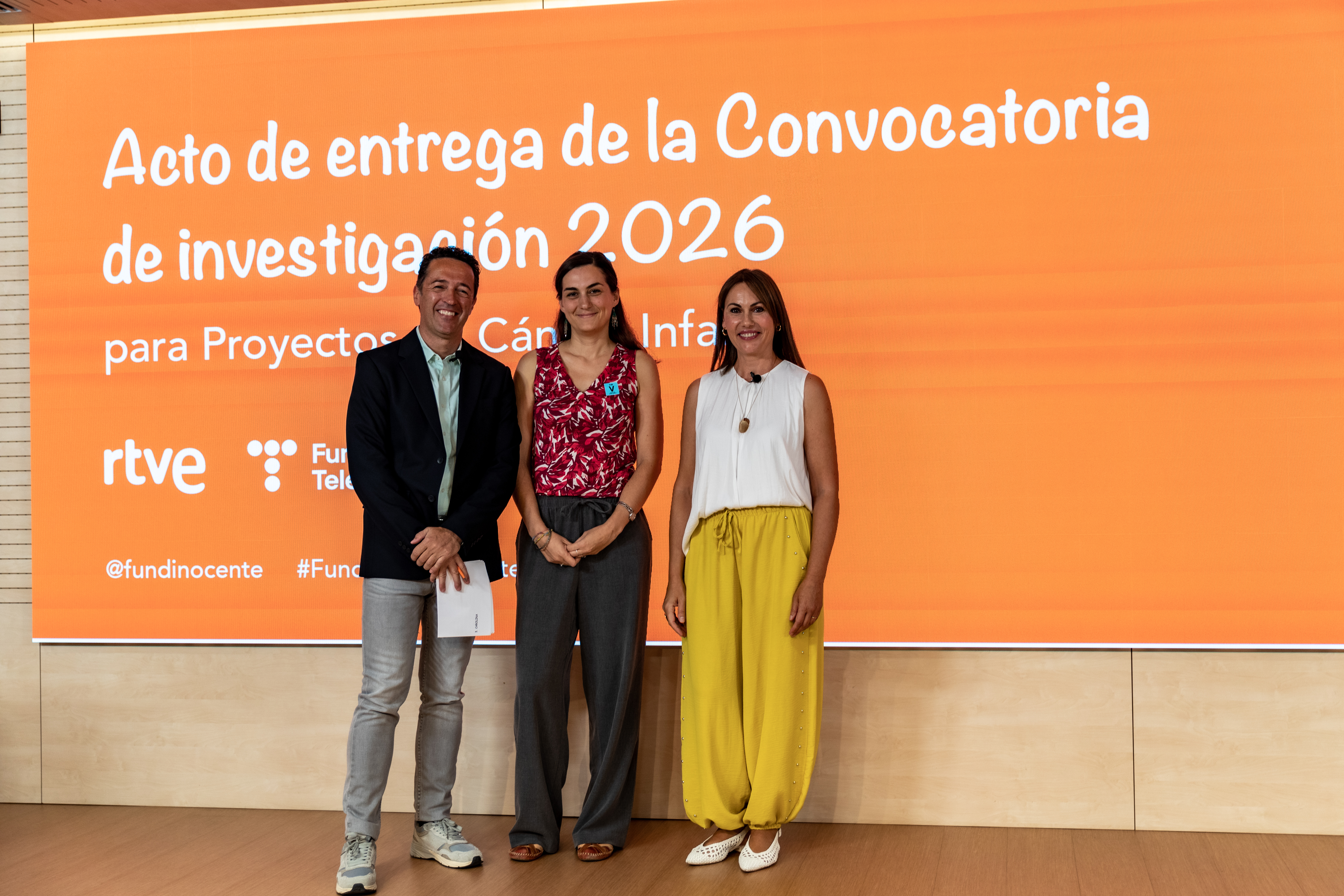
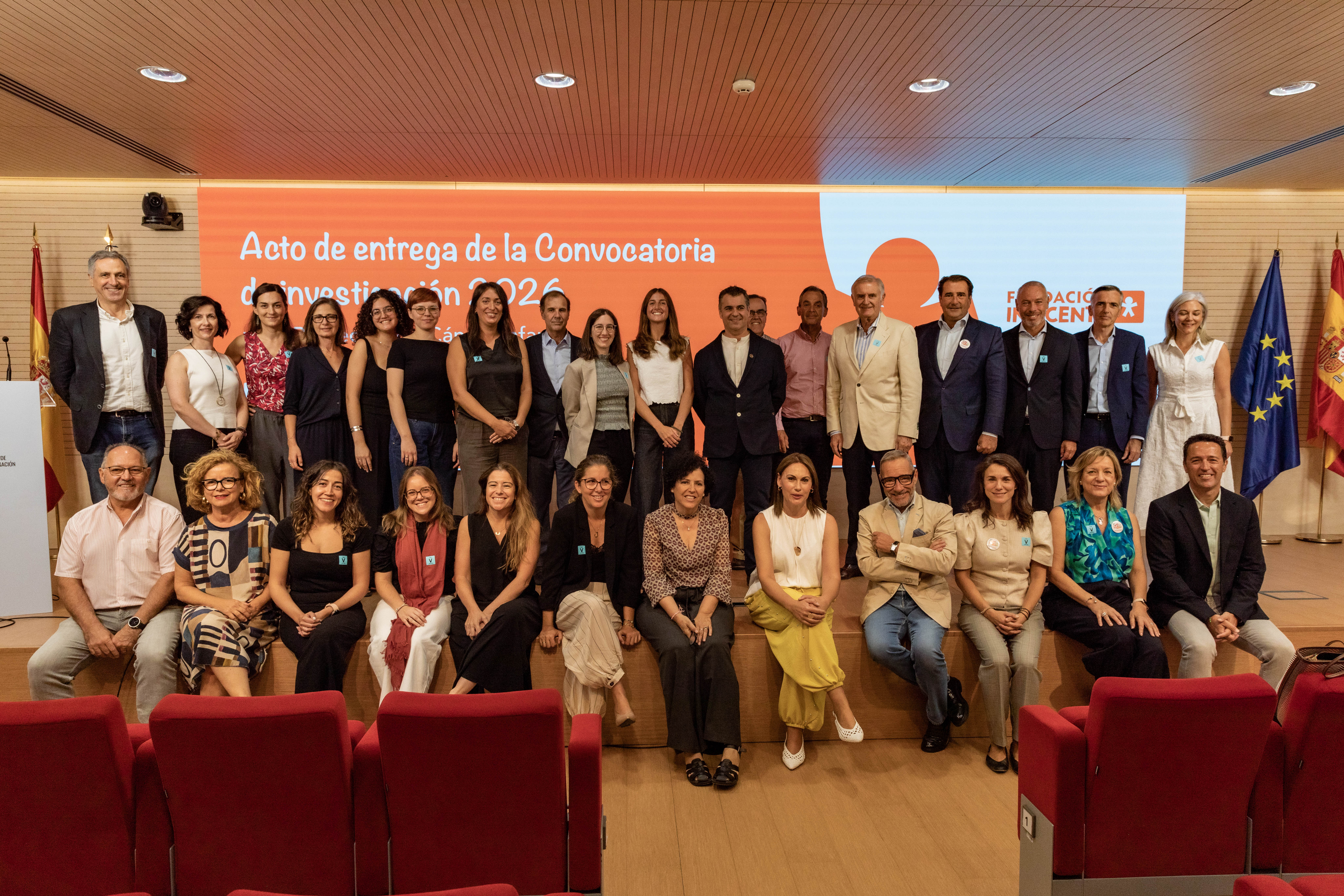
- The grant is part of a Fundación Inocente funding call supporting nine research projects on childhood cancer.
Fundación Inocente has selected a project led by Dr. Alexandra Avgustinova, head of the Pediatric Cancer Epigenetics laboratory at IRB Barcelona and the Institut de Recerca Sant Joan de Déu, in its call for childhood cancer research. The team will receive €90,000 to investigate why malignant rhabdoid tumours can resist treatment and explore possible ways to overcome this resistance.
Malignant rhabdoid tumours are rare and aggressive childhood cancers. Although they have relatively few genetic alterations, their cells can behave in very different ways. Previous research by the team has produced a detailed atlas of these tumours, revealing this cellular diversity. The new project will investigate how the ability of cells to change state, known as cellular plasticity, allows them survive under stress.
Tracking how cells respond to treatment
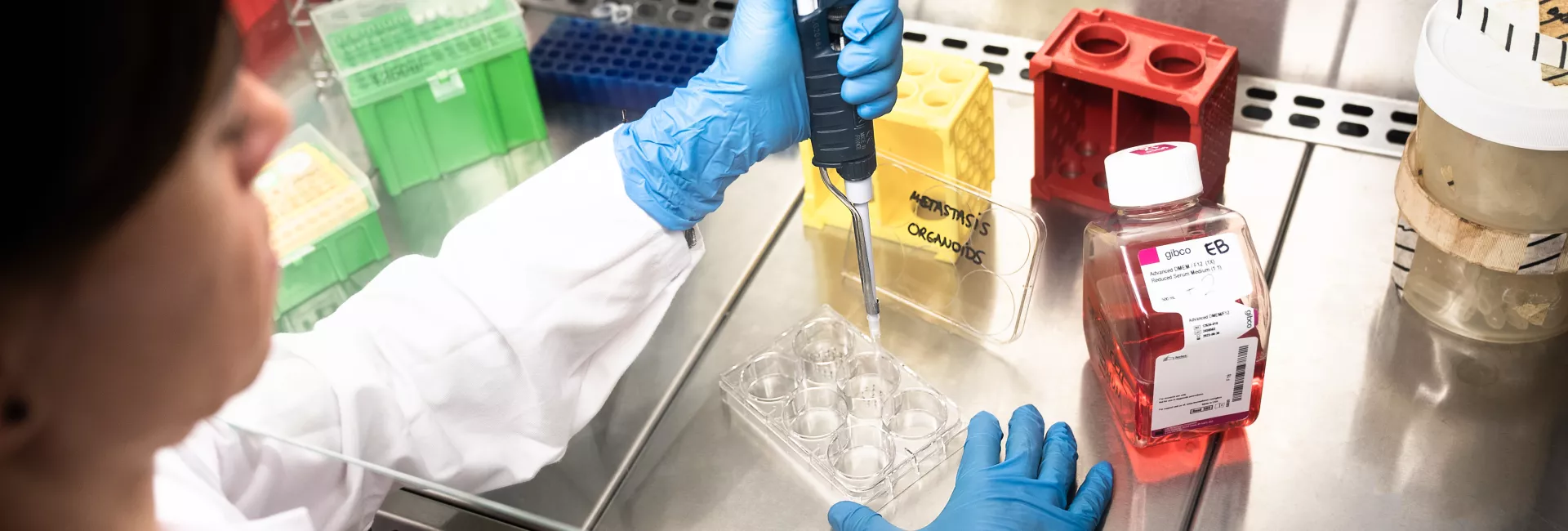
To test this hypothesis, the team will use tumour models derived from patients. Exposing these to conditions that reproduce different biologically relevant stress conditions will allow the researchers to study which cells survive and how they change.
The researchers will combine these results with the tumour atlas they have already generated to identify processes that may promote resistance. They will then functionally validate the most promising candidates in experimental models using gene editing tools or pharmacological compounds. The aim is to identify vulnerabilities in these tumours that could inform future therapeutic strategies to achieve durable treatment responses.
Fundación Inocente will allocate more than €800,000 to the nine projects selected in this funding call. The proposals were evaluated by the Spanish State Research Agency.
About IRB Barcelona
The Institute for Research in Biomedicine (IRB Barcelona) pursues a society free of disease. To this end, it conducts multidisciplinary research of excellence to cure cancer and other diseases linked to ageing. It establishes technology transfer agreements with the pharmaceutical industry and major hospitals to bring research results closer to society, and organises a range of science outreach activities to engage the public in an open dialogue. IRB Barcelona is an international centre that hosts 400 researchers and more than 30 nationalities. Recognised as a Severo Ochoa Centre of Excellence since 2011, IRB Barcelona is a CERCA centre and member of the Barcelona Institute of Science and Technology (BIST).