Images
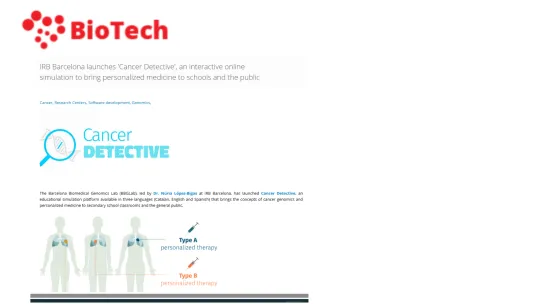
- Developed by the Barcelona Biomedical Genomics Lab (BBGLab) at IRB Barcelona, Cancer Detective is an open-access web platform designed to engage secondary school students and interested members of the general public in precision oncology and computational biology.
- The tool offers interactive analysis modules for individual exploration and complete teaching materials to help educators integrate modern cancer research into classroom curricula.
The Barcelona Biomedical Genomics Lab (BBGLab), led by Dr. Núria López-Bigas at IRB Barcelona, has launched Cancer Detective, an educational simulation platform available in three languages (Catalan, English and Spanish) that brings the concepts of cancer genomics and personalized medicine to secondary school classrooms and the general public.
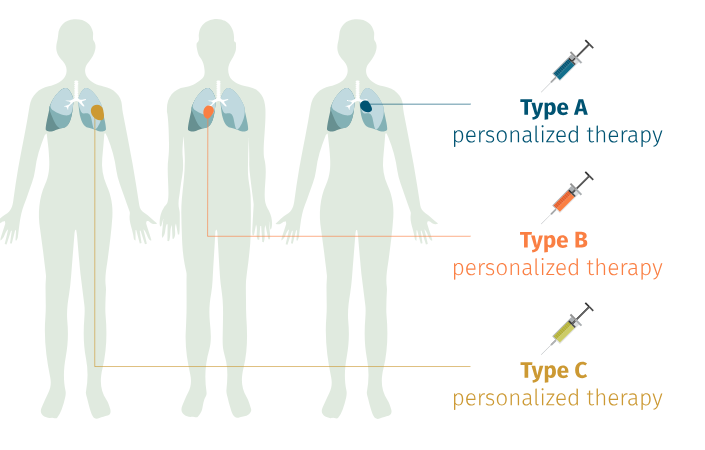
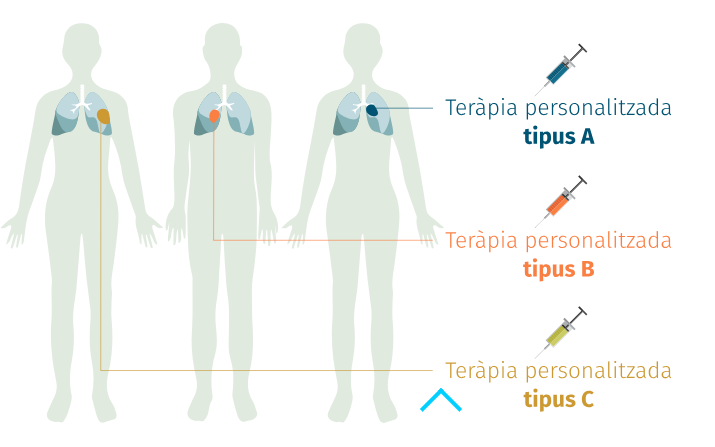
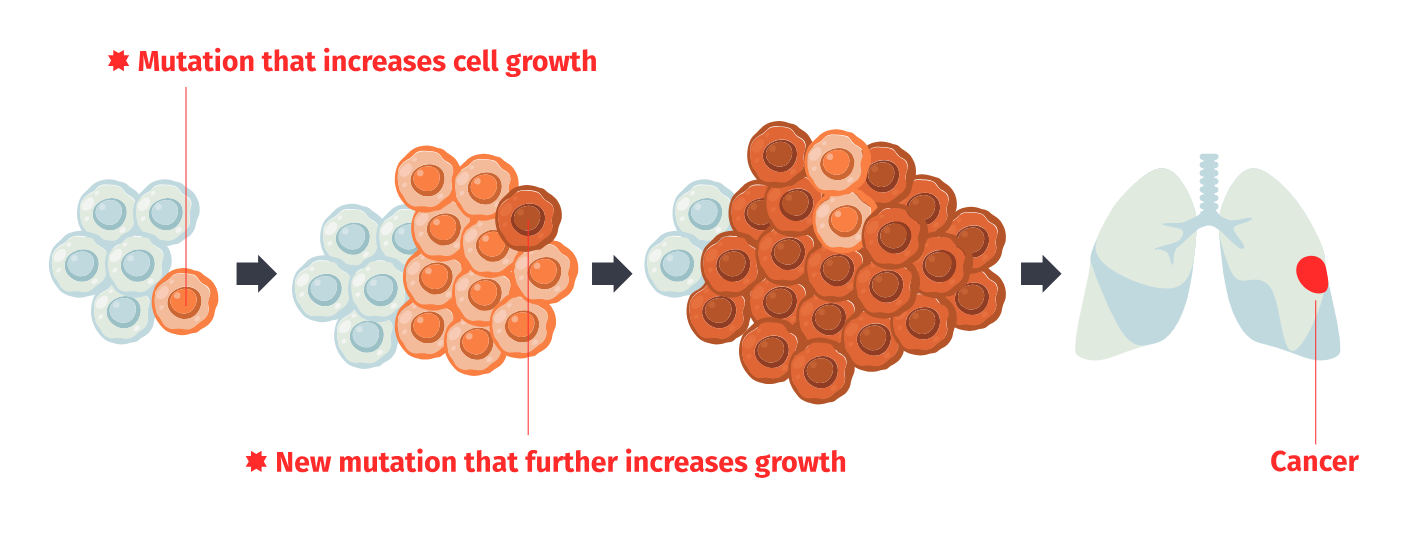
By stepping into the role of computational researchers, users learn how tumours acquire mutations, how driver genes are identified from genomic data, and how precision therapies are chosen based on a patient’s unique genetic profile.
From a live workshop to an open digital resource
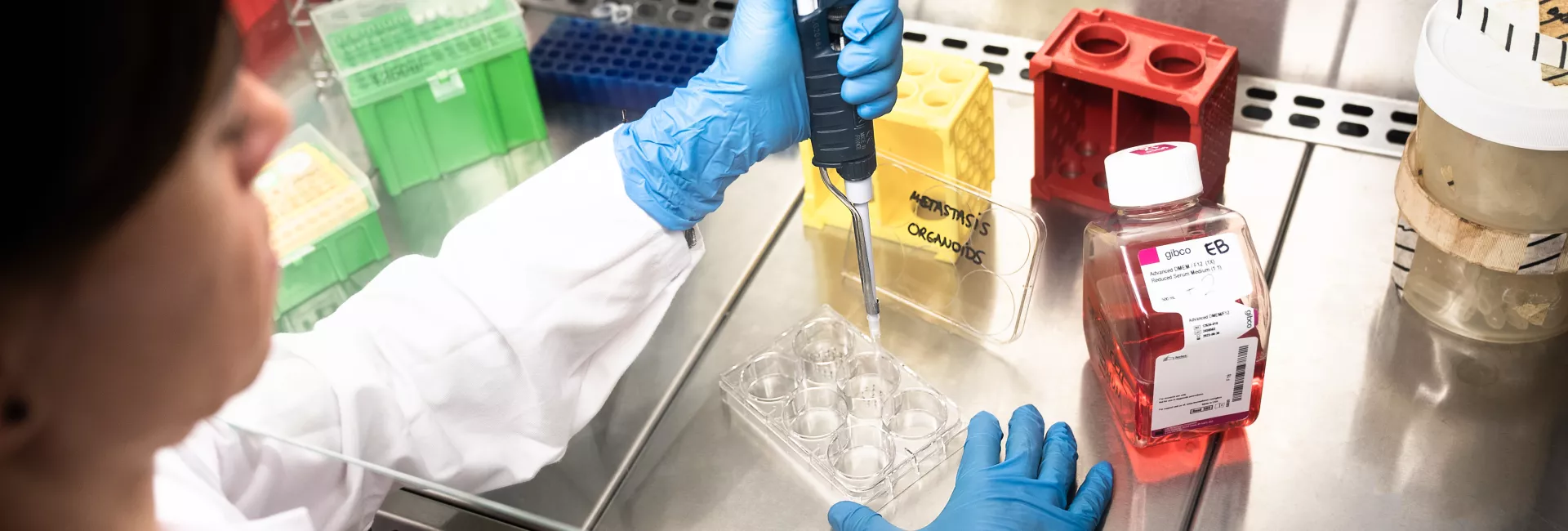
The idea for Cancer Detective originated in 2019 during the Live Research Fair (Fira de Recerca en Directe), an annual public outreach event organized by the Barcelona Science Park. Initially designed as an interactive, face-to-face workshop, participants worked directly alongside BBGLab researchers to "sequence" cancer samples and interpret mutational patterns.
Following the disruptions caused by the COVID-19 pandemic, the BBGLab team transitioned the activity into a standalone, digital-first platform accessible to anyone interested in understanding cancer research.
Interactive genomic analysis for classrooms and the general public
Cancer Detective guides users through an intuitive simulation of the computational workflows used in real biomedical laboratories. Starting with foundational modules on cell biology and DNA alterations, participants progress to analyzing simulated sequencing datasets from patient samples. By spotting key "driver" mutations amidst background genomic noise, users evaluate targeted therapies aligned with precision medicine strategies.
While the platform offers an independent activity for individuals, it also features comprehensive Teacher Notes that align with secondary school biology curricula, enabling educators to guide structured classroom discussions around genetics, computational science, and oncology.
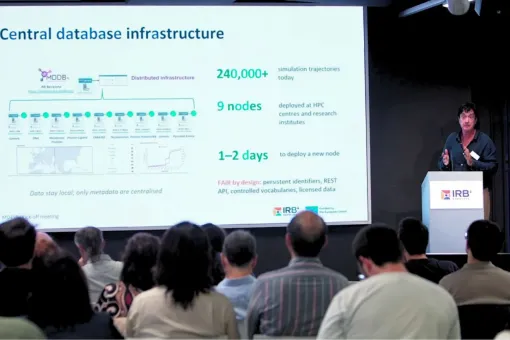
The initiative is aligned with the objective of the European-funded project CGI-Clinics, whose main aim is to enhance precision oncology through data-driven genomic interpretation by bringing together researchers and clinicians. Cancer Detective connects the genomic research and development undertaken by CGI-Clinics with schools and the general public.
“Beyond advancing scientific knowledge, we also feel it is important to share it with the public, particularly young students. Cancer Detective is one way we contribute to this effort”, explains Dr. Nuria López-Bigas.
Through Cancer Detective, IRB Barcelona reinforces its commitment to public engagement and scientific outreach, helping to foster scientific literacy around precision medicine across society.
The platform is freely accessible to students, teachers, and the public at cancerdetective.org.
About IRB Barcelona
The Institute for Research in Biomedicine (IRB Barcelona) pursues a society free of disease. To this end, it conducts multidisciplinary research of excellence to cure cancer and other diseases linked to ageing. It establishes technology transfer agreements with the pharmaceutical industry and major hospitals to bring research results closer to society, and organises a range of science outreach activities to engage the public in an open dialogue. IRB Barcelona is an international centre that hosts 400 researchers and more than 30 nationalities. Recognised as a Severo Ochoa Centre of Excellence since 2011, IRB Barcelona is a CERCA centre and member of the Barcelona Institute of Science and Technology (BIST).