Images

- Cancer Research UK, the Scientific Foundation of the Spanish Association Against Cancer (FCAECC) and other partners announce €6.4M funding to create a new global team of bowel cancer research experts.
- The initiative, named CRC-STARS, is designed to unite research expertise and solve unanswered questions about the disease.
- The Colorectal Cancer laboratory at IRB Barcelona will be one of the partners of this global research initiative.
Cancer Research UK, the Scientific Foundation of the Spanish Association Against Cancer (FCAECC) and other partners have today committed €6.4M in funding to form a world-leading research team tasked with making personalised medicine a reality for people with colorrectal cancer.
The CRC-STARS initiative will bring together 40 research experts from across Spain, UK, Italy and Belgium to find kinder, better treatments for the disease. Joining forces will empower them to use their combined expertise across multiple research areas, and pair clinical trial data with cutting-edge technology.
According to a recent report from the Spanish Society of Medical Oncology (SEOM), it is estimated that in 2025, 30,311 new cases of colon cancer and 14,262 new cases of rectal cancer will be diagnosed in Spain. Despite this, treatment options remain limited, particularly for patients who are diagnosed at later stages of the disease.
CRC-STARS is jointly funded by Cancer Research UK (€2,57M), the Bowelbabe Fund for Cancer Research UK (€1.99M), philanthropic support from Bjorn Saven CBE and Inger Saven (€1.17M), and the Scientific Foundation of the Spanish Association Against Cancer (FCAECC), €600,000).
Exploring the relationship between stem cells and colon cancer
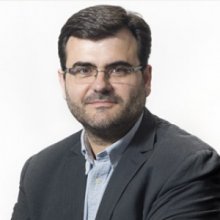
The Colorectal Cancer laboratory at IRB Barcelona, headed by ICREA researcher Dr. Eduard Batlle, conducts basic research in two areas of great clinical relevance: the relationship between colon cancer and intestinal stem cells, and the development of metastatic disease. Technically, the group’s approach is comprehensive; as it combines in vitro cell models and bioinformatics with the generation and analysis of animal models. Conceptually, the laboratory’s research stands at the confluence of stem cell and cancer biology with an edge in translational oncology.
"I am honoured to be part of this groundbreaking global initiative. The CRC-STARS project presents a unique opportunity to collaborate with leading experts in the field and advance our understanding of bowel cancer. This funding will significantly accelerate the development of personalized treatment strategies, ultimately improving outcomes for patients and paving the way for more effective therapies,” states Dr. Batlle.
Contribution from the Foundation of the Spanish Association Against Cancer to support bowel cancer research
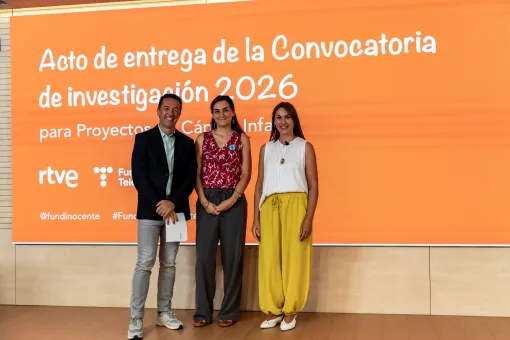
The Scientific Foundation of the Spanish Association Against Cancer (FCAECC) is also contributing €600,000 to specifically support the work of Spanish partners in the team: Dr. Josep Tabernero at the Vall d’Hebron Institute of Oncology (VHIO) and Dr. Eduard Batlle at IRB Barcelona. The team of researchers will work on integrating experimental, preclinical and clinical data to predict cancer progression and tailor new therapeutic approaches to each patient's characteristics, aiming to prevent the development of resistance and improve the response to treatments such as chemotherapy and immunotherapy, thereby improving therapeutic efficacy.
According to Marta Puyol, Scientific Director at the (FCAECC), “This project does not only help us to understand the landscape of bowel cancer in a collaborative and multidisciplinary manner but to have places a strong emphasis on patient needs, accelerating the translation of results into clinical practice.”
The researchers aim to better understand how different bowel cancers respond to current treatments, why certain bowel cancers spread, and whether it can be predicted which treatments will work for individual patients. Personalised medicine involves using detailed information about a person’s cancer – not just the part of the body where the cancer started - to help with decisions about diagnosis and treatment.
While some patients are already benefitting from this type of treatment, such as people with certain types of breast cancer, it is an area still very much in development. The CRC-STARS team will work together to learn even more about how bowel cancer behaves so that it can potentially be treated in a more personalised way in the future.
About IRB Barcelona
The Institute for Research in Biomedicine (IRB Barcelona) pursues a society free of disease. To this end, it conducts multidisciplinary research of excellence to cure cancer and other diseases linked to ageing. It establishes technology transfer agreements with the pharmaceutical industry and major hospitals to bring research results closer to society, and organises a range of science outreach activities to engage the public in an open dialogue. IRB Barcelona is an international centre that hosts 400 researchers and more than 30 nationalities. Recognised as a Severo Ochoa Centre of Excellence since 2011, IRB Barcelona is a CERCA centre and member of the Barcelona Institute of Science and Technology (BIST).