Images
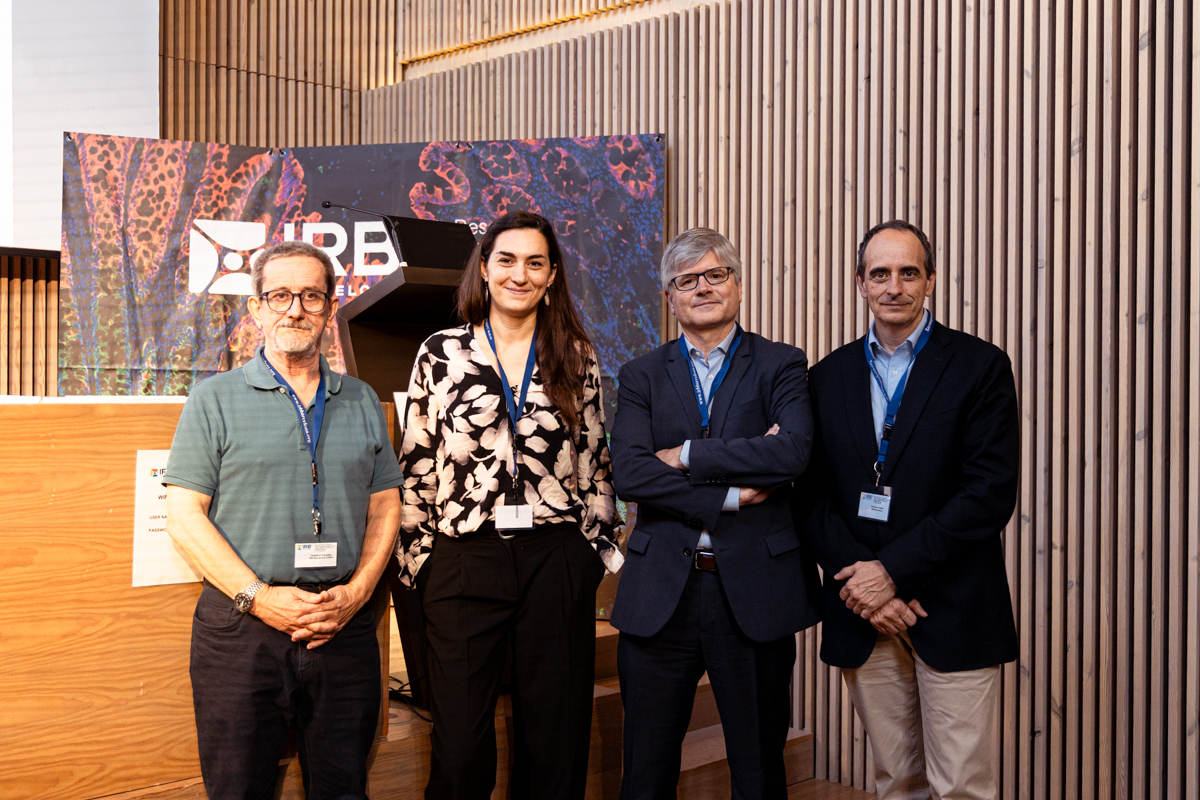
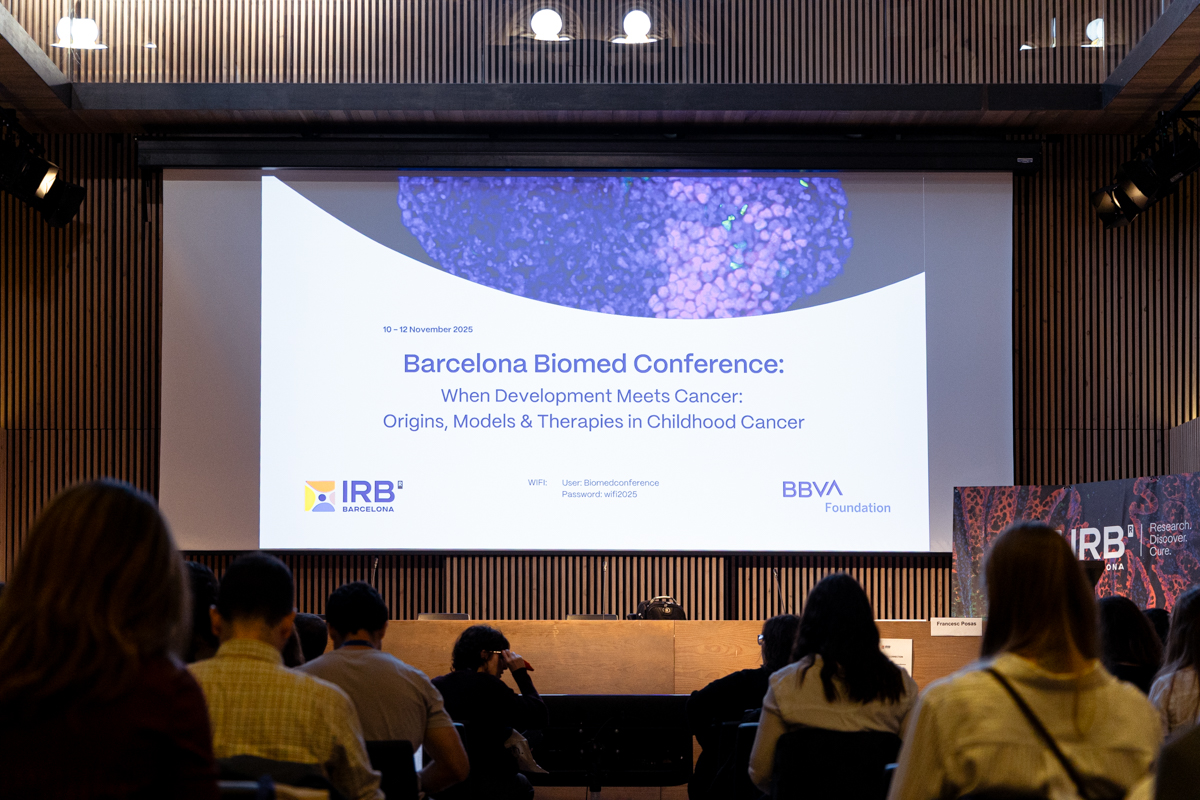
• The 44th Barcelona BioMed Conference explored the developmental origins of childhood cancers, bringing together world-leading experts to discuss tumour origins, driving mechanisms and innovative therapies.
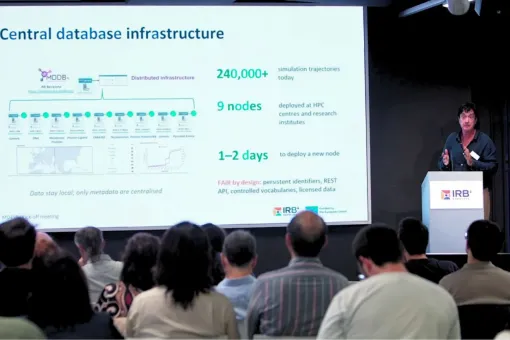
• The meeting, organised by IRB Barcelona with the support of the BBVA Foundation, was held for the first time at Sant Pau Recinte Modernista.
Childhood tumours often emerge not from an accumulation of mutations, but from disruptions in developmental programmes. This premise shaped the 44th Barcelona BioMed Conference, “When Development Meets Cancer: Origins, Models & Therapies in Childhood Cancer,” which brought together world-leading scientists and clinicians from 10 to 12 November in Barcelona.
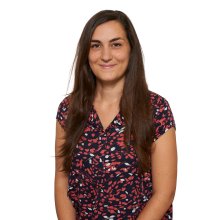
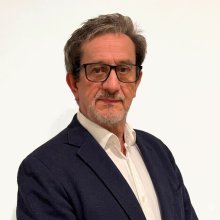
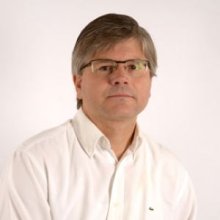
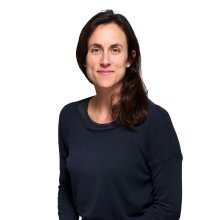
Organized by IRB Barcelona researchers Dr. Alexandra Avgustinova and Dr. Cayetano González, together with Dr. Jaume Mora from the Pediatric Cancer Center Barcelona (Hospital Sant Joan de Déu), the meeting took place in collaboration with the BBVA Foundation, a long-standing partner in advancing high-impact biomedical research.
“The aim of the conference is to bring people together and build bridges. Childhood cancer is a rare disease, and progress relies on connecting expertise, sharing knowledge, and moving forward as a community,” said Dr. Avgustinova, co-organizer and Group Leader at IRB Barcelona and the Fundació Sant Joan de Déu (FSJD).
Discussions throughout the meeting tackled persistent unknowns: the precise cells-of-origin for different childhood malignancies, the developmental pathways that facilitate malignant transformation, and how this knowledge could inform more accurate models and safer, more effective therapies.
The programme fostered interdisciplinarity, connecting developmental biologists, oncologists, stem cell researchers, genomics experts, immunologists, and paediatric clinicians in the same scientific dialogue.
The conference featured internationally recognized experts such as Dr. Stefan Pfister (DKFZ Heidelberg) on paediatric tumour genomics, Dr. Nada Jabado (McGill University) on epigenetic mechanisms, Dr. Alejandro Sweet-Cordero (UCSF) on epigenomic classification, Dr. Kimberly Stegmaier (Dana-Farber) on therapeutic innovation, and Dr. John M. Maris (Children’s Hospital of Philadelphia) on translational strategies for neuroblastoma, , along with leading figures in paediatric oncology such as Dr. A. Thomas Look (Dana-Farber) on leukaemia and developmental pathways, Dr. Charles Roberts (St. Jude Children’s Research Hospital) on chromatin remodelling in childhood cancer, and Dr. Michael Taylor (Hospital for Sick Children, Toronto) on paediatric brain tumours.
“Understanding how childhood cancers arise during development is key to prevention and to designing more targeted therapies,” emphasized Dr. Mora, co-organizer and paediatric oncologist.
Interest in this year’s meeting was exceptionally high, with researchers and clinicians travelling to Barcelona from leading international institutions. Following the Barcelona BioMed Conference model, attendance was capped to preserve in-depth discussion and close scientific exchange.
A key highlight of the final day was the recognition of early-career scientists through the Poster Prizes, awarded for excellence and innovation in paediatric cancer research. The winners were: Dr. Mónica Pascual (IRB Barcelona/UB), 1st Prize; Alex Cebrià and Inés Sentís (IRB Barcelona/PCCB), 2nd Prize; and Laura Zanatto (IDIBAPS), 3rd Prize.
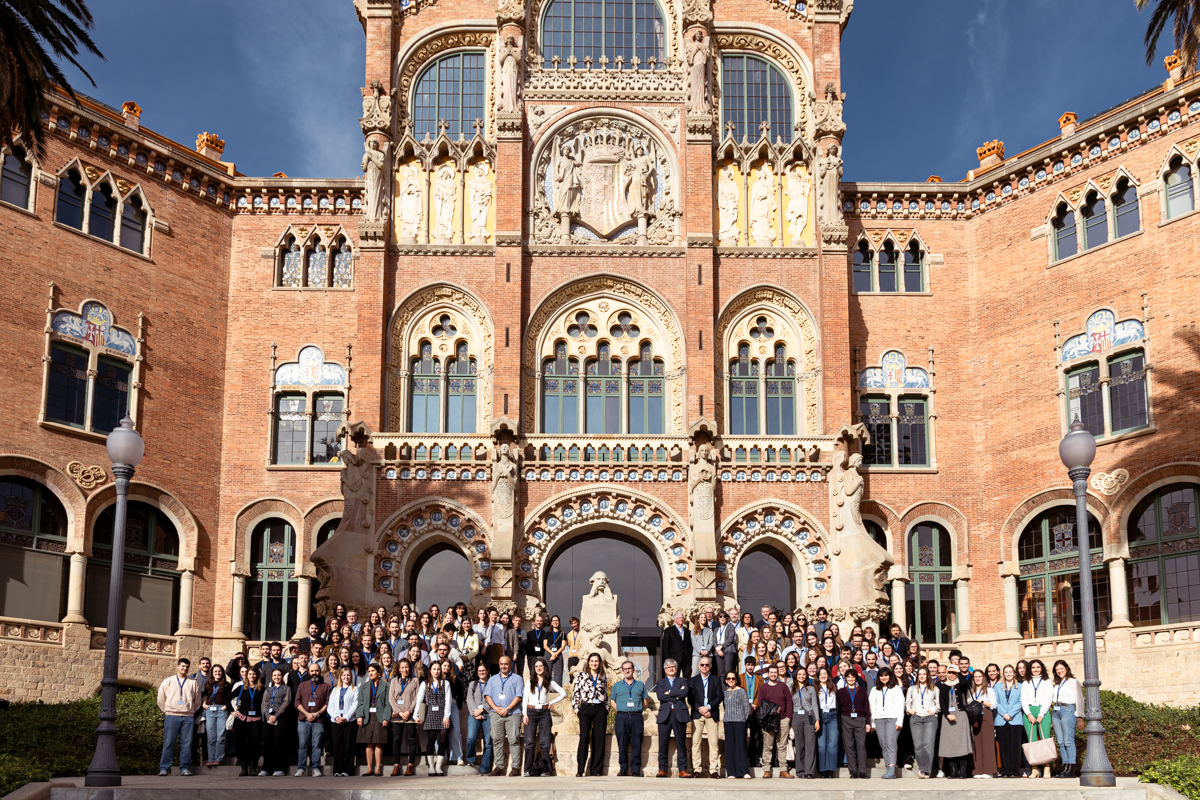
For the first time in the 19-year history of the series, the conference was hosted at the Sant Pau Recinte Modernista, a UNESCO World Heritage Site that provided an inspiring new setting for scientific exchange.
"Science thrives in exceptional environments, and this gathering of world-class experts in such an extraordinary modernist setting reminded us of the power of coming together to improve the lives of children and their families,” concluded Dr. González, co-organizer and ICREA Research Professor at IRB Barcelona.
About IRB Barcelona
The Institute for Research in Biomedicine (IRB Barcelona) pursues a society free of disease. To this end, it conducts multidisciplinary research of excellence to cure cancer and other diseases linked to ageing. It establishes technology transfer agreements with the pharmaceutical industry and major hospitals to bring research results closer to society, and organises a range of science outreach activities to engage the public in an open dialogue. IRB Barcelona is an international centre that hosts 400 researchers and more than 30 nationalities. Recognised as a Severo Ochoa Centre of Excellence since 2011, IRB Barcelona is a CERCA centre and member of the Barcelona Institute of Science and Technology (BIST).