Images
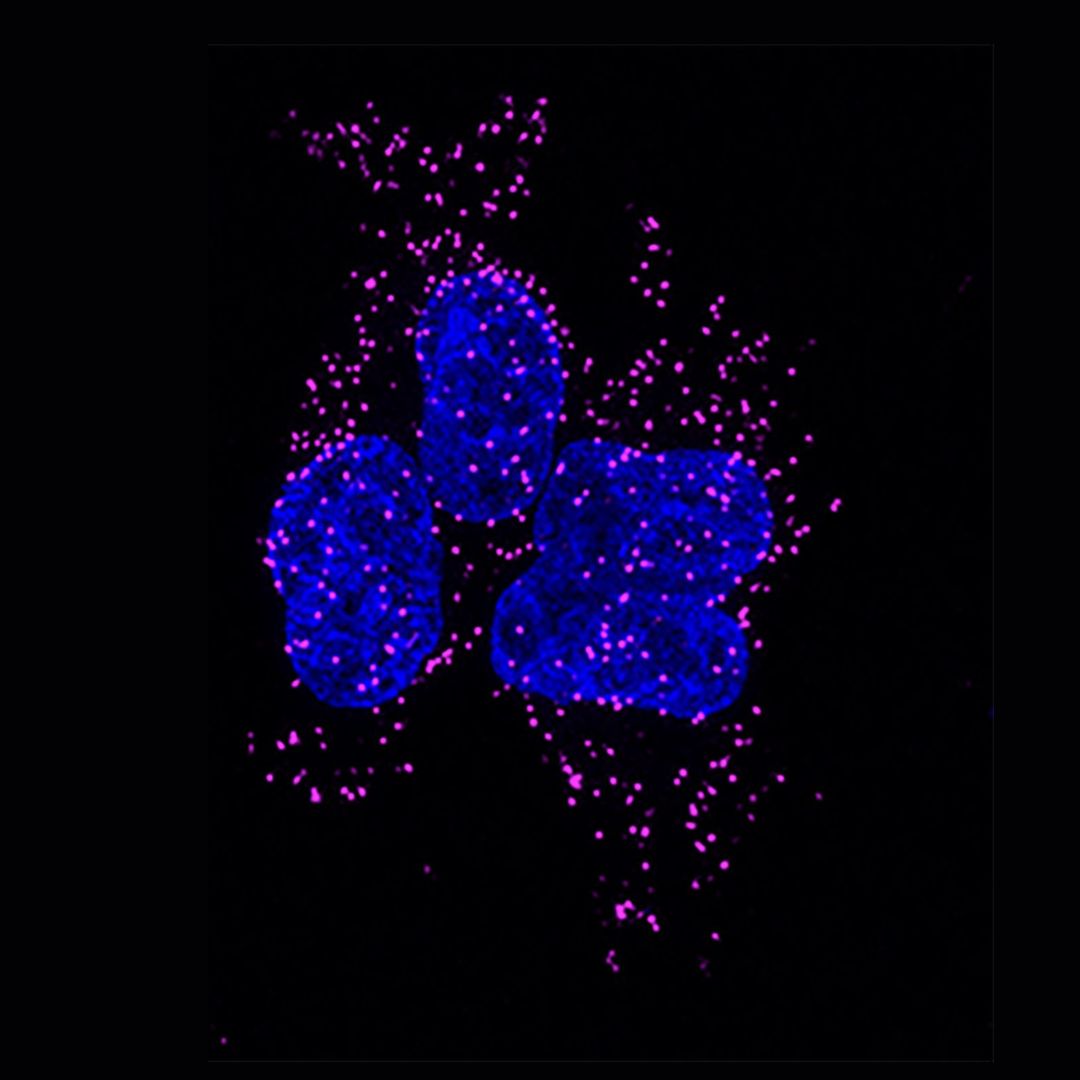
- Scientists at IRB Barcelona identify a new role for the protein Headcase (HECA), which is crucial for cell protection against oxidative stress.
- This finding contributes to our understanding of resistance to stress in tumour cells and stem cells.
Cells continuously face adverse conditions like nutrient deprivation or sudden temperature shifts. Gaining insight into how they endure and adapt to these challenges is essential for understanding fundamental biology and tackling diseases associated with cellular stress, such as cancer and neurodegenerative disorders.
A team headed by Dr. Panagiotis Giannios and Dr. Jordi Casanova at IRB Barcelona has published a study in the journal Science Advances identifying the protein Headcase in the Drosophila fly (or HECA in humans) as a key player in protecting cells against stress. The study reveals how Headcase regulates one of the cell structures called “stress granules", which enable cells to rapidly reprogram and focus their resources on vital survival functions.
This discovery stems from studies on the metamorphosis of Drosophila melanogaster, a process in which nearly all larval cells die, except for certain stem cells that survive and give rise to the adult organism. Researchers sought to understand how these specific cells withstand such extreme conditions, leading to the discovery of the key role that Headcase plays in the stress response.
"This finding helps us understand how stem cells, but also tumour cells undergoing processes such as metastasis, can survive extremely adverse conditions,” explains Dr. Jordi Casanova, head of the Development and Morphogenesis lab at IRB Barcelona.
A key protein for cell survival
Under normal conditions, the protein Headcase is dispersed throughout the cytoplasm, but in response to stress, it rapidly reorganizes into stress granules, essential structures that regulate protein production and protect cells. Similarly, the human version of this protein (HECA) also plays a role in these protective mechanisms. Scientists found that reducing HECA expression in human cells makes them more vulnerable to oxidative stress, leading to increased production of reactive oxygen species—factors known to be linked to various diseases.
Implications for understanding resistance in cancer
The study highlights HEC proteins as potential therapeutic targets, given the growing recognition of the role that cellular resistance plays in diseases such as cancer and neurodegenerative disorders.
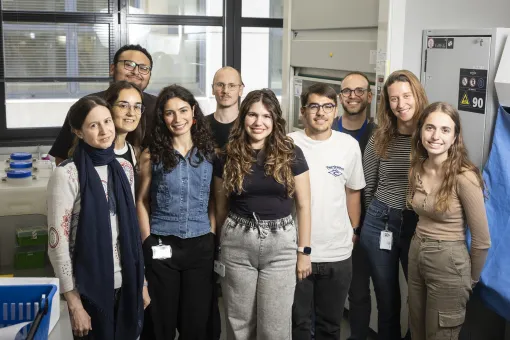
The work was undertaken by the researchers Dr. Delia Ricolo, Dr. Panagiotis Giannios, and Dr. Jordi Casanova, all members of the Development and Morphogenesis lab at IRB Barcelona and the Institute of Molecular Biology of Barcelona (CSIC). This study was supported by funding from the Spanish Ministry of Science and Innovation and the Government of Catalonia.
Related article:
Drosophila and human Headcase define a new family of Ribonucleotide granule proteins required for stress response.
Delia Ricolo, Jordi Casanova & Panagiotis Giannios.
Science Advances (2024). DOI: https://doi.org/10.1126/sciadv.ads2086
About IRB Barcelona
The Institute for Research in Biomedicine (IRB Barcelona) pursues a society free of disease. To this end, it conducts multidisciplinary research of excellence to cure cancer and other diseases linked to ageing. It establishes technology transfer agreements with the pharmaceutical industry and major hospitals to bring research results closer to society, and organises a range of science outreach activities to engage the public in an open dialogue. IRB Barcelona is an international centre that hosts 400 researchers and more than 30 nationalities. Recognised as a Severo Ochoa Centre of Excellence since 2011, IRB Barcelona is a CERCA centre and member of the Barcelona Institute of Science and Technology (BIST).