Images
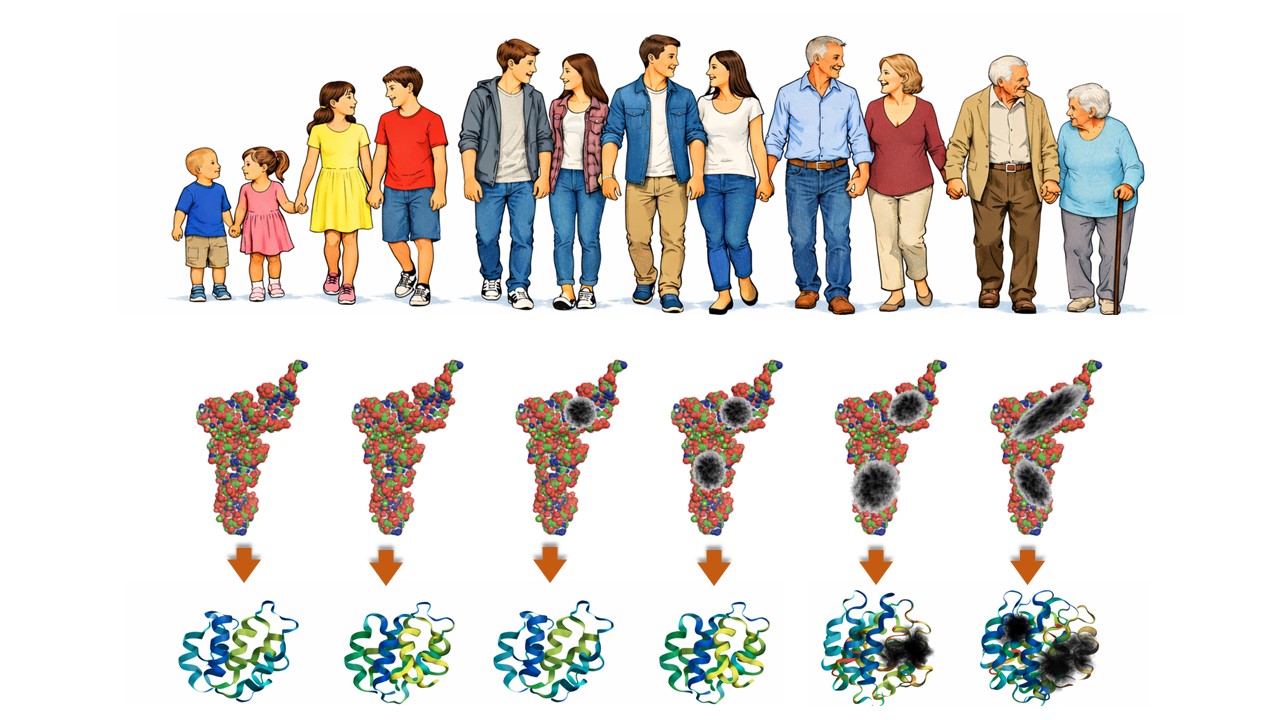
- A study by IRB Barcelona reveals that transfer RNA (tRNA) genes accumulate mutations at a frequency up to nine times higher than average.
- These mutations specifically target the region that "reads" codons, potentially creating "chimeric" tRNAs that introduce systematic errors during protein synthesis.
- The study reports that these mutations accumulate with age, opening a new door to understanding the decline in protein quality and frailty in the elderly.
Cells manufacture proteins by following instructions encoded in messenger RNA, which is read in three-letter groups called codons. To translate this message, the cell uses molecules called transfer RNAs (tRNA). These act as intermediaries: they recognize a specific codon and provide the corresponding amino acid to build the protein.
A study led by the laboratories of Dr. Lluís Ribas de Pouplana and Dr. Fran Supek at IRB Barcelona reveals that the genes producing tRNAs are mutation hotspots (DNA changes that accumulate in cells over a lifetime) that can alter how the genetic code is interpreted and accelerate the functional decline of the proteome. The work has been published today in Genome Research.
A genomic "blind spot": greater activity, more mutations
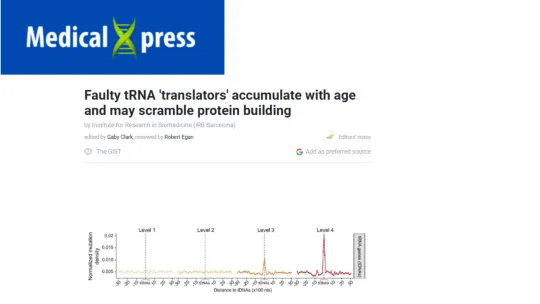
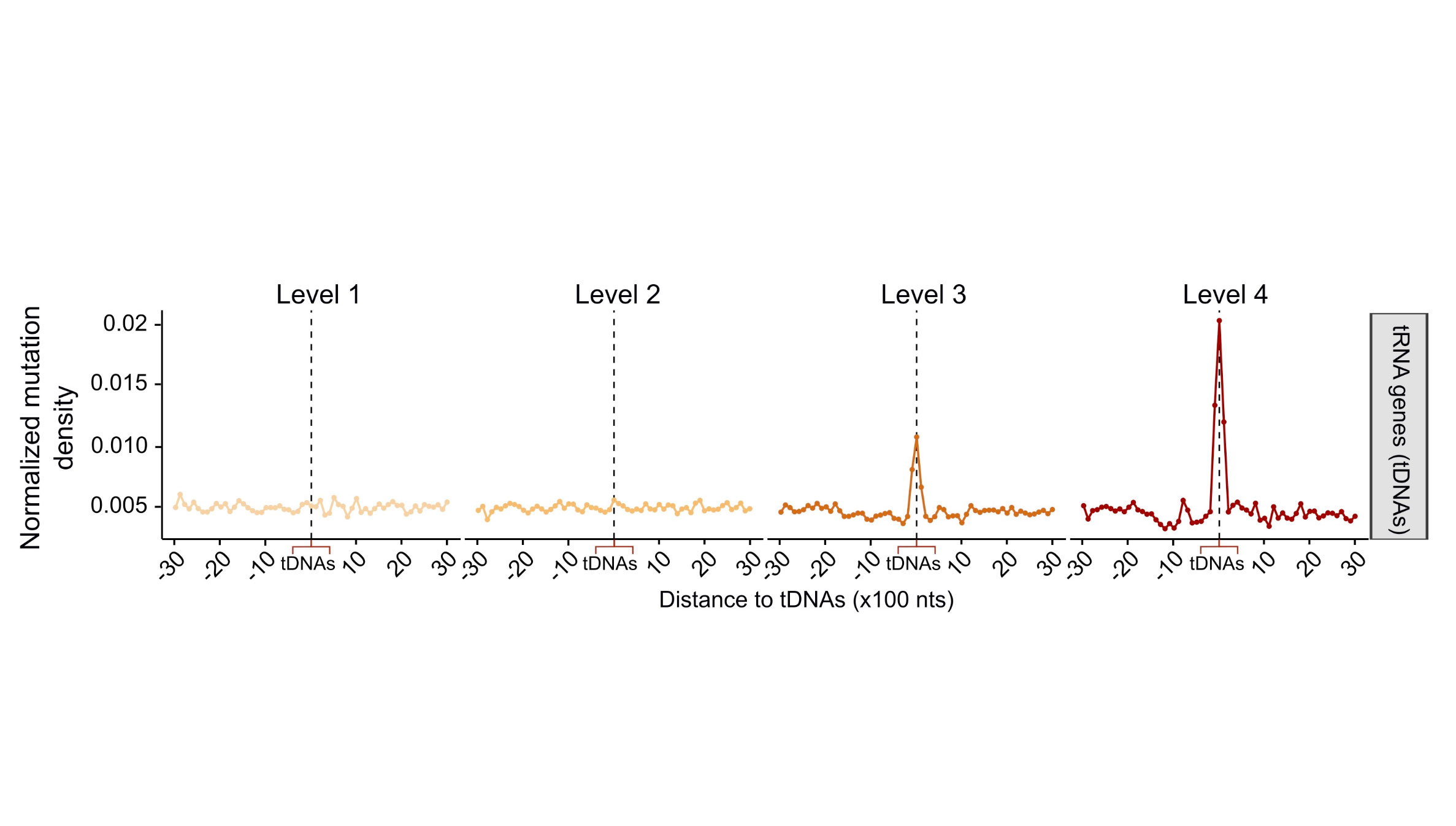
Historically, most studies on cancer mutations have focused on protein-coding genes. However, the human genome contains hundreds of tRNA genes that are essential for ensuring the accurate translation of genetic messages into proteins. By analyzing data from thousands of tumour genomes and healthy tissue samples, the team observed that these genes exhibit exceptionally high mutation rates. Interestingly, this mutational load is directly linked to the gene's activity: the more a tRNA is transcribed (the harder it "works"), the more likely it is to mutate. In some instances, the error rate is up to nine times higher than that of conventional genes.
When the adapter fails: "chimeric" tRNAs
The critical component of every tRNA is the anticodon—a triplet that recognizes mRNA codons and determines which amino acid is added to the protein. The study describes how mutations in this specific area can generate chimeric tRNAs: molecules that still carry their original amino acid but now read the codon meant for a different one.
"This means the cell begins systematically placing one amino acid where another should be. It’s as if, on an assembly line, one part was repeatedly replaced by the wrong one; eventually, the protein structure becomes unstable. This proteome instability is a hallmark of both cancer and cellular decline," explains Dr. Ribas de Pouplana.
Ageing and the loss of regeneration
Beyond its implications for cancer biology, the research indicates that these mutations accumulate linearly with age. This links back to a fundamental issue in ageing: the loss of proteostasis, or the ability to maintain healthy proteins.
"This study adds a new dimension to the study of aging. It helps explain why, as the years pass, we lose the ability to manufacture and regenerate proteins efficiently. This results in high-impact conditions for the elderly, such as sarcopenia (muscle loss) or general frailty. Furthermore, translation errors caused by chimeric tRNAs inevitably lead to protein precipitation—a phenomenon directly linked to neurodegenerative processes like Alzheimer's disease," Dr. Ribas de Pouplana adds.
Next steps
The discovery of these genetically programmed "translation errors" opens new avenues for exploring the biology of ageing. The team is now studying whether the generation of chimeric tRNAs accelerates over time and whether there are cellular mechanisms to compensate for this genetic chaos before it becomes irreversible.
Related article:
Age-dependent mutational loads in human tRNA genes are tumor-specific and result in chimeric tRNA sequences that could disrupt the genetic code
Marina Murillo, Marina Salvadores, Aina Vaquer Picó, Lina Tsapanou, Adrian Gabriel Torres, Fran Supek & Lluis Ribas de Pouplana
Genome Research (2026) 10.1101/gr.281022.125
About IRB Barcelona
The Institute for Research in Biomedicine (IRB Barcelona) pursues a society free of disease. To this end, it conducts multidisciplinary research of excellence to cure cancer and other diseases linked to ageing. It establishes technology transfer agreements with the pharmaceutical industry and major hospitals to bring research results closer to society, and organises a range of science outreach activities to engage the public in an open dialogue. IRB Barcelona is an international centre that hosts 400 researchers and more than 30 nationalities. Recognised as a Severo Ochoa Centre of Excellence since 2011, IRB Barcelona is a CERCA centre and member of the Barcelona Institute of Science and Technology (BIST).