Images
- ”la Caixa” Foundation has allocated €32.4 million to 80 research and innovation projects in health across Spain and Portugal through its 2026 competitive calls.
- Researchers at IRB Barcelona will lead three of these awarded projects, tackling key challenges in metabolic disease, liver ageing, and stem cell dynamics.
- The funded initiatives aim to translate basic scientific discoveries into innovative diagnostic, therapeutic, and preventive strategies.
Yesterday, ”la Caixa” Foundation announced the results of its 2026 competitive research and innovation calls, allocating €32.4 million to 80 biomedical and health projects across Spain and Portugal. These awards support scientific initiatives ranging from fundamental biological research to real-world healthcare interventions designed to tackle major contemporary health challenges.
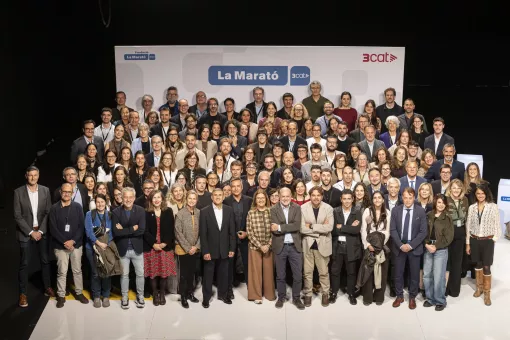
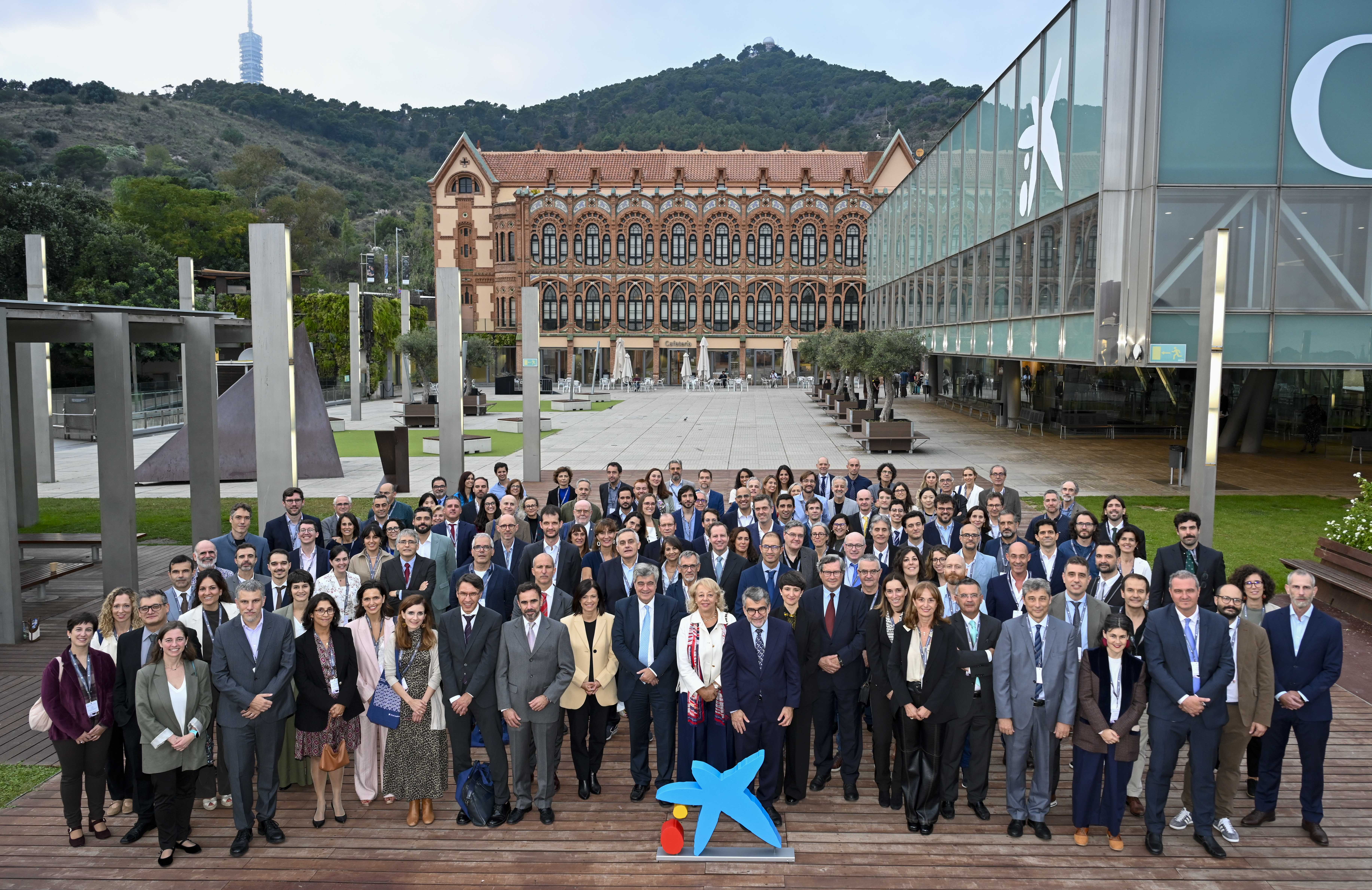
The official awards ceremony was held on the same day at CosmoCaixa Barcelona.
Three projects led by IRB Barcelona researchers received funding to advance fundamental biomedical mechanisms, metabolic health, and the cellular biology of ageing. They address the following questions:
Can brown fat help tackle obesity and metabolic diseases?
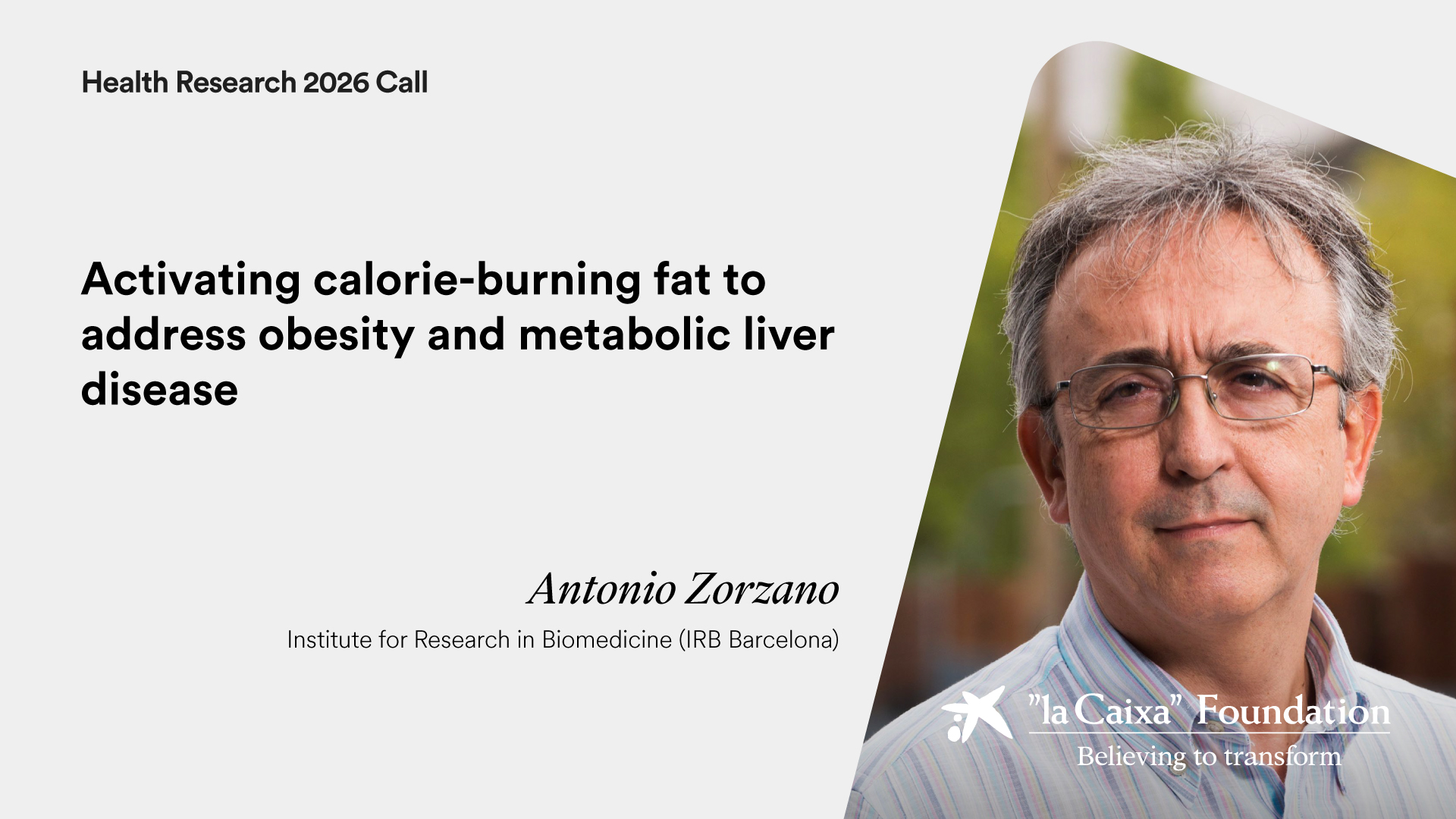
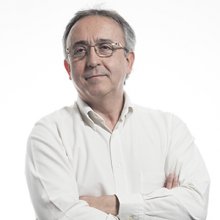
Project leader: Dr. Antonio Zorzano
Consortia project with CSIC and IDIBGI
Funding received: €999,111.30
Obesity and metabolic liver disease are major global health problems closely linked to cardiovascular risk and for which current treatments remain insufficient. Brown fat is a type of body fat that burns energy to produce heat and can help regulate body weight. This project will investigate whether a newly identified natural factor that appears to activate brown fat in experimental models also works in humans and could develop into new therapeutic approaches.
The research team will study the effects of the identified factor in human fat cells, test its potential in models of obesity and fatty liver disease, and design improved versions with greater stability and activity. Expertise in metabolism, obesity, liver disease and biomedical research will link basic discoveries with therapeutic strategies that can help improve metabolism and reduce excess fat.
The results from this research project could help develop new treatments for obesity and related metabolic disorders. In the longer term, it may help millions of people affected by these conditions and offer new strategies to reduce the impact of metabolic and cardiovascular diseases on health systems.
Does restoring liver rhythms support healthy ageing?
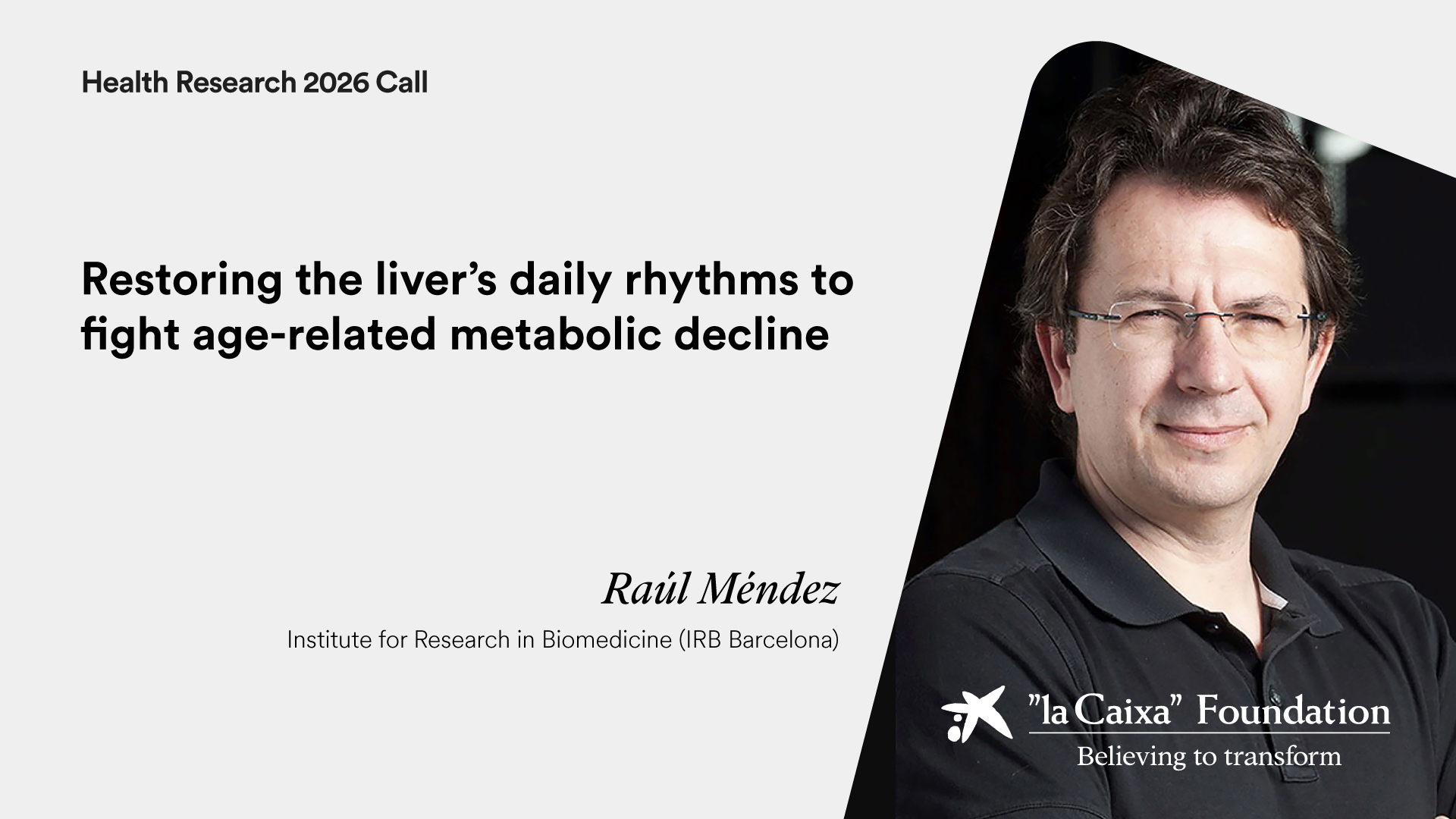
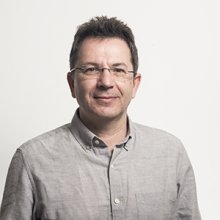
Project leader: Dr. Raúl Méndez
Consortia project with the University of Münster and IDIBAPS
Funding received: €999,190
As people age, the body’s internal daily rhythms can become less precise. This affects the liver, an organ that plays a central role in regulating sugar, fats and energy. Although many liver genes continue to follow day–night cycles, the proteins they produce may lose coordination, contributing to metabolic problems, inflammation and frailty. This project aims to understand how ageing alters the timing between gene activity and protein production.
Researchers with expertise in ageing, liver metabolism, molecular biology and computational analysis will study small, dynamic structures inside cells that organise the production and renewal of proteins. In young cells, these structures appear flexible and responsive, but they become more rigid with age. Using animal models and human liver samples, the team will map how these structures change over time and how to restore their properties.
The project could help identify new markers of metabolic decline and suggest interventions based on the body’s daily rhythms. The findings would help develop strategies that support healthier aging by preserving liver health.
How do blood stem cells remember signals across life?
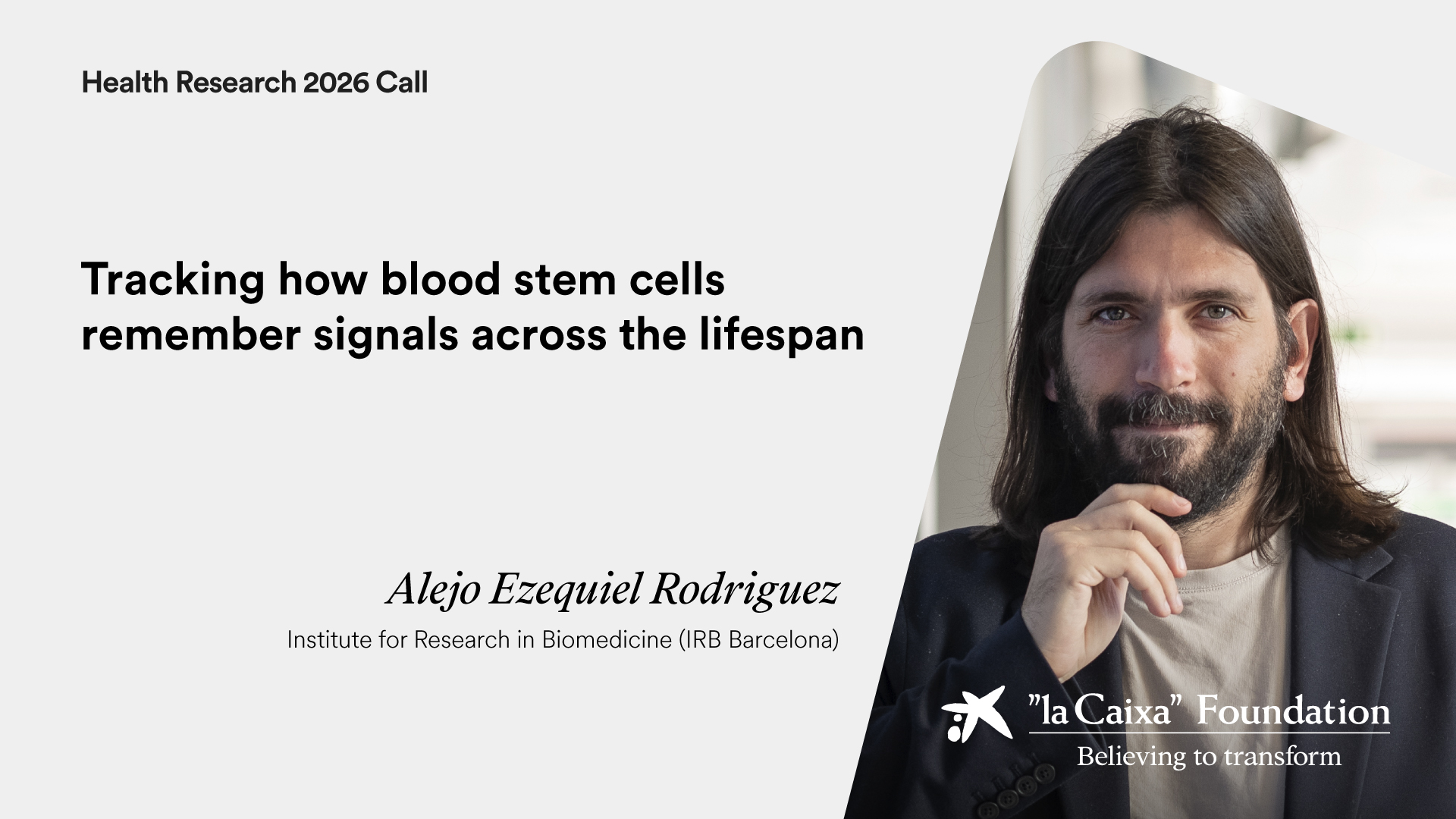
Project leader: Dr. Alejo Rodriguez-Fraticelli
Funding received: €499,712.60
Blood and immune systems change with age, inflammation and disease. Blood-forming stem cells strongly influence these changes by responding to signals from their environment and retaining a memory of past exposures. However, scientists lack effective tools to follow how individual stem cells process signals over time and shape their future behaviour. This project aims to build a detailed framework to address this gap.
The project will track thousands of individual stem cells, observe their responses to different signals and examine how these responses change with age. Then, they will combine tracking data with computational modelling to compare immediate and long-term responses in young and aged cells and create more realistic virtual representations of stem-cell behaviour. The team brings together expertise in stem cell biology, immunology, ageing, genome-scale experiments and data science.
The findings could help predict how stem cells behave during inflammation, regeneration and ageing, and develop strategies to adjust these responses. More broadly, the project would help understand immune decline and blood diseases and inform the development of future cell-based therapies.
About IRB Barcelona
The Institute for Research in Biomedicine (IRB Barcelona) pursues a society free of disease. To this end, it conducts multidisciplinary research of excellence to cure cancer and other diseases linked to ageing. It establishes technology transfer agreements with the pharmaceutical industry and major hospitals to bring research results closer to society, and organises a range of science outreach activities to engage the public in an open dialogue. IRB Barcelona is an international centre that hosts 400 researchers and more than 30 nationalities. Recognised as a Severo Ochoa Centre of Excellence since 2011, IRB Barcelona is a CERCA centre and member of the Barcelona Institute of Science and Technology (BIST).