Images
- The Fundació La Marató de 3Cat has announced the projects to be awarded support from the 2025 fundraising campaign devoted to cancer research.
- IRB Barcelona researchers will coordinate three of the projects and contribute as partners to three others.
- The research will explore key challenges in cancer, from metastasis and treatment resistance to childhood tumours and the effects of cancer on the body.
Yesterday, the Fundació La Marató de TV3 announced the 38 research projects selected to receive funding from the €14.4M raised in its 2025 telethon edition devoted to cancer research.
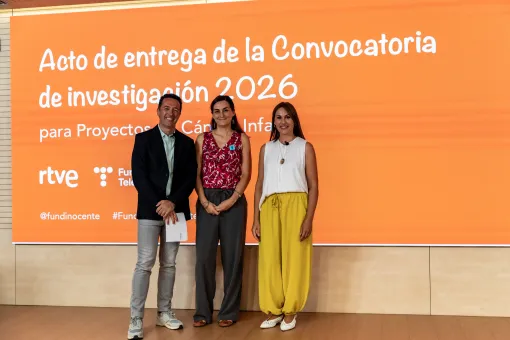
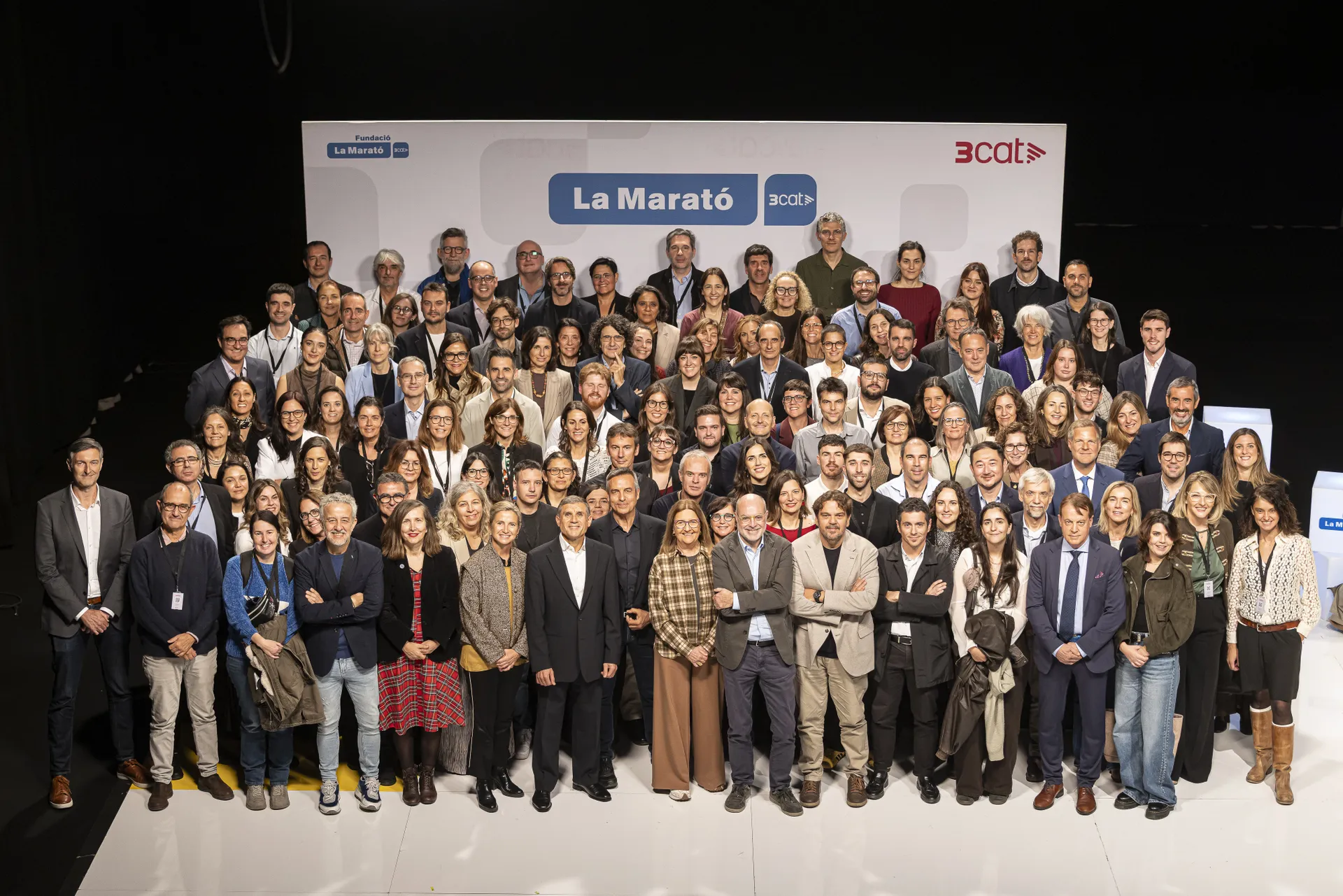
The 91 selected research teams received their awards at a ceremony held at TV3, hosted by journalist Ramon Pellicer, presenter of the latest edition of La Marató.
The event featured speeches by Carme Figueras, CCMA-3Cat board member and vice-president of the Board of Trustees of the 3Cat La Marató Foundation; Lluís Bernabé, director of the Foundation; Dr Cristina Fillat, a researcher at the Fundació Recerca Clínic-IDIBAPS and one of the La Marató grant recipients; and Olga Pinart and Josep Maria Ribas, who shared their personal stories during the previous edition of the programme.
Among the selected initiatives are six high-impact projects featuring group leaders at IRB Barcelona.
Understanding how colorectal cancer spreads
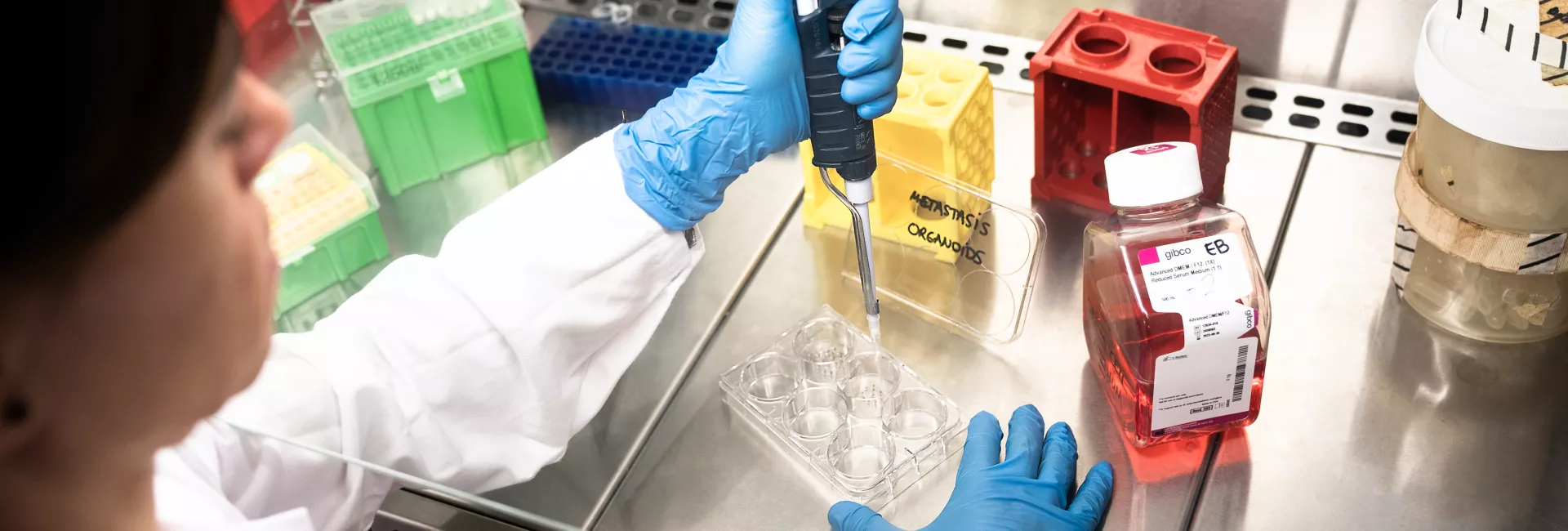
Coordinated by Dr. Eduard Batlle (IRB Barcelona) alongside Dr. Marc Martí-Renom (CNAG), this project will investigate how colorectal cancer cells change their epigenetic programs and control gene activity to survive, spread to other organs, and resist treatment. The researchers aim to better understand the mechanisms behind these changes and identify potential strategies to prevent metastasis and improve treatment responses.
Exploring the link between obesity and liver cancer
Coordinated by Dr. Raúl Méndez (IRB Barcelona), with Dr. Mercedes Fernández (FRCB-IDIBAPS), this project will explore how obesity-related changes in cellular processes may contribute to the development of liver cancer. By studying the molecular mechanisms involved, the researchers hope to identify new opportunities for earlier detection, prevention and treatment.
Understanding and preventing cancer-related muscle wasting
Coordinated by Dr. Salvador Aznar Benitah (IRB Barcelona) in collaboration with Dr. Lorena Arribas (ICO), this project will investigate the relationship between cancer metastasis and cachexia, a serious condition characterised by the progressive loss of muscle and fat. The researchers aim to understand how cancer affects the body's metabolism and identify potential approaches to prevent or reduce this debilitating condition.
Finding new ways to treat aggressive childhood cancers
Coordinated by Dr. Alexandra Avgustinova (Sant Joan de Déu), in collaboration with Dr. Ana Victoria Lechuga (IRB Barcelona) and Dr. Marcos Francisco Pérez (CSIC-IBMB), this project will investigate how malignant rhabdoid tumours, a rare and aggressive form of childhood cancer, adapt to and resist treatment. The team aims to identify biological vulnerabilities that could open the door to new therapeutic strategies.
Developing new treatments for gastrointestinal tumours
This joint research project by Dr. César Serrano (VHIO) and Dr. Cristina Mayor-Ruiz (IRB Barcelona) will explore new therapeutic approaches for gastrointestinal stromal tumours (GIST), which can develop resistance to existing treatments. The researchers will investigate the potential of "degraders", a type of pharmacology designed to promote the degradation of specific proteins, to develop more effective treatment strategies.
Overcoming treatment resistance in breast cancer
Coordinated by Dr. Marcos Malumbres (VHIO), with Dr. Francesc Posas (IRB Barcelona) and Dr. Eva Ciruelos (Hospital 12 de Octubre) as partners, this project will investigate why some advanced breast cancers develop resistance to CDK4/6 inhibitors, a widely used treatment. The researchers aim to identify biomarkers that could help predict treatment responses and to explore new therapeutic strategies for patients who no longer benefit from existing treatments.
About IRB Barcelona
The Institute for Research in Biomedicine (IRB Barcelona) pursues a society free of disease. To this end, it conducts multidisciplinary research of excellence to cure cancer and other diseases linked to ageing. It establishes technology transfer agreements with the pharmaceutical industry and major hospitals to bring research results closer to society, and organises a range of science outreach activities to engage the public in an open dialogue. IRB Barcelona is an international centre that hosts 400 researchers and more than 30 nationalities. Recognised as a Severo Ochoa Centre of Excellence since 2011, IRB Barcelona is a CERCA centre and member of the Barcelona Institute of Science and Technology (BIST).